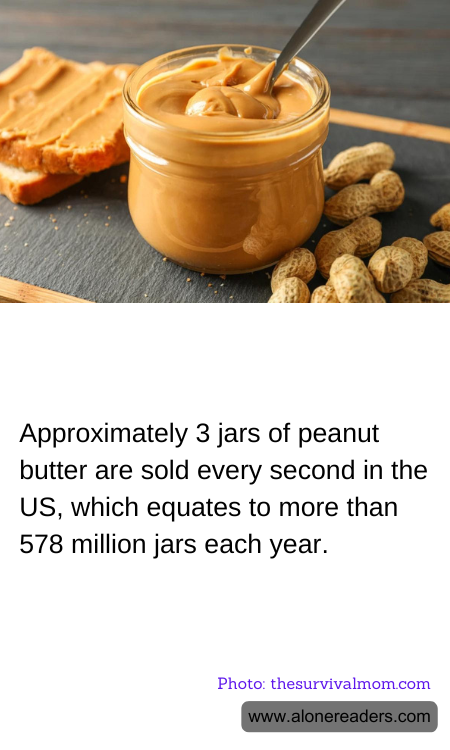
Peanut butter has long been a staple in American households, and its popularity shows no signs of waning. With approximately three jars sold every second in the United States, this creamy or crunchy delight is more than just a spread; it's a cultural phenomenon. This staggering statistic translates to over 578 million jars sold annually, underscoring peanut butter's enduring appeal across generations.
The love affair with peanut butter can be traced back to the late 19th century when it was first introduced as a protein-rich food for people who had difficulty chewing solid foods. Since then, it has evolved into a versatile ingredient used in everything from sandwiches and cookies to smoothies and savory dishes. Its versatility is one reason for its widespread popularity, as it can be enjoyed in a myriad of ways, catering to diverse palates and dietary preferences.
One of the key factors contributing to the high sales of peanut butter is its nutritional profile. Packed with protein, healthy fats, and essential vitamins and minerals, peanut butter is not only delicious but also nourishing. It provides a quick and convenient source of energy, making it a favorite among athletes, busy parents, and anyone looking for a satisfying snack. Additionally, its affordability and long shelf life make it an accessible option for families across the country.
The cultural significance of peanut butter in the United States cannot be overstated. It is a quintessential part of the American childhood experience, often associated with the classic peanut butter and jelly sandwich. This simple yet beloved combination has been a lunchtime staple for decades, evoking nostalgia and comfort for many. Beyond its nostalgic value, peanut butter has also become a symbol of American ingenuity and resourcefulness, as it was developed into a popular food product during times of economic hardship.
In recent years, the peanut butter market has seen a surge in innovation, with manufacturers introducing a variety of flavors and formulations to cater to evolving consumer preferences. From organic and natural options to those infused with honey, chocolate, or spices, there is a peanut butter for every taste. This diversification has helped maintain its relevance in a competitive food landscape, ensuring that it remains a pantry essential for millions of Americans.
As the demand for peanut butter continues to grow, so does the importance of sustainable and ethical sourcing practices. Many brands are now focusing on supporting peanut farmers and promoting environmentally friendly production methods. This shift not only benefits the planet but also resonates with consumers who are increasingly conscious of the impact of their food choices.
In conclusion, the sale of over 578 million jars of peanut butter each year in the United States is a testament to its enduring popularity and versatility. Whether enjoyed as a simple spread or incorporated into gourmet recipes, peanut butter remains a beloved staple that transcends age, culture, and culinary trends. Its rich history, nutritional benefits, and adaptability ensure that it will continue to hold a special place in the hearts and kitchens of Americans for generations to come.
