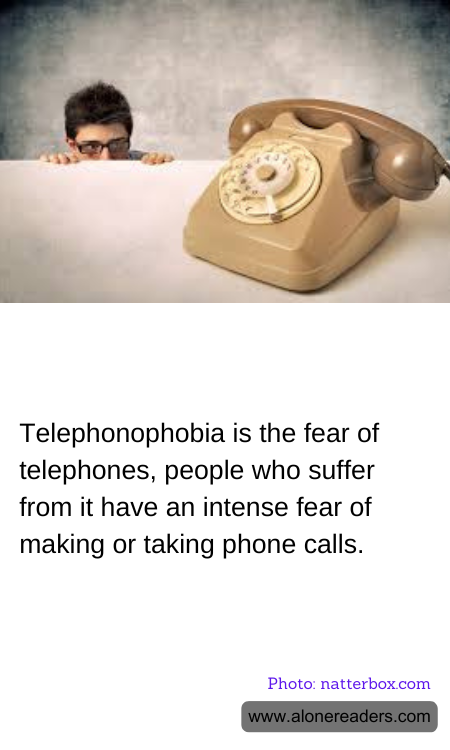
In today's hyper-connected world, where smartphones have become almost an extension of our hands, it might seem surprising that some individuals experience intense anxiety at the mere thought of making or receiving a phone call. This condition, known as telephonophobia, is a specific type of social anxiety disorder that can significantly impact a person's daily life and interactions.
Telephonophobia is characterized by an overwhelming fear of communication via telephone. For those who suffer from this phobia, the sound of a ringing phone can trigger a cascade of anxiety symptoms, such as rapid heartbeat, sweating, and even panic attacks. The fear is not just limited to answering calls; initiating a call can be equally daunting. This can lead to avoidance behavior, where individuals go to great lengths to dodge phone interactions, often relying on text messages, emails, or other forms of digital communication as alternatives.
The roots of telephonophobia can vary from person to person. Some may have had negative experiences in the past, such as receiving distressing news over the phone or being involved in a difficult conversation. Others might fear judgment or criticism, worrying about saying the wrong thing or being unable to respond appropriately in real-time. The lack of visual cues, which are present in face-to-face interactions, can also contribute to the anxiety, as it makes it harder to interpret the other person's reactions.
Despite the challenges it presents, telephonophobia is a manageable condition. Cognitive-behavioral therapy (CBT) is often recommended as an effective treatment, helping individuals to reframe their thoughts and gradually confront their fears in a controlled manner. Techniques such as exposure therapy, where patients are gradually exposed to phone interactions in a safe environment, can also be beneficial. Additionally, mindfulness and relaxation exercises can help reduce the overall anxiety associated with phone calls.
It's important for those who suffer from telephonophobia to know they are not alone and that help is available. Friends and family can play a supportive role by being patient and understanding, encouraging the use of alternative communication methods when necessary, and celebrating small victories as the individual works to overcome their fears.
In a world that increasingly values instant communication, understanding and addressing telephonophobia is crucial. By acknowledging the condition and seeking appropriate support, individuals can regain control over their communication methods and reduce the anxiety associated with phone calls, ultimately leading to a more connected and less stressful life.
