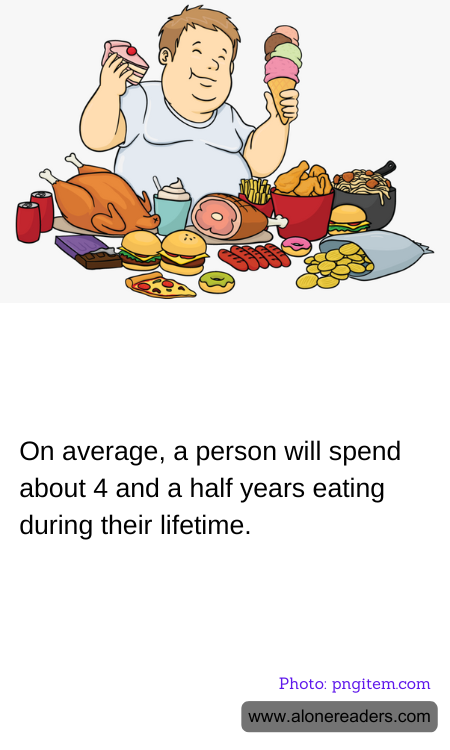
Eating is an essential part of human life, not just for survival but also for pleasure, social interaction, and cultural expression. On average, a person will spend about four and a half years of their lifetime eating. This statistic might seem surprising at first, but when broken down, it highlights the significant role food plays in our daily lives.
Consider the daily routine of meals: breakfast, lunch, and dinner, along with snacks in between. Each meal is not just about consuming calories but also about taking a break from the hustle and bustle of life. It is a time to relax, reflect, and recharge. For many, meals are a time to connect with family and friends, sharing stories and experiences over a table laden with food. This social aspect of eating is a crucial part of human culture, bringing people together and fostering a sense of community.
The time spent eating also reflects the diversity of culinary traditions around the world. From the leisurely multi-course meals of France to the quick and efficient sushi bars of Japan, each culture has its unique approach to dining. This diversity enriches our lives, offering endless opportunities to explore new flavors and textures. It is a testament to human creativity and adaptability, as people have developed countless ways to prepare and enjoy food.
Moreover, the act of eating is intertwined with health and well-being. The choices we make about what to eat can have profound effects on our physical and mental health. A balanced diet provides the nutrients necessary for our bodies to function optimally, while also reducing the risk of chronic diseases. As awareness of the importance of nutrition grows, more people are taking the time to prepare meals that are not only delicious but also nourishing.
In recent years, there has been a growing movement towards mindful eating, which encourages individuals to savor each bite and appreciate the flavors and textures of their food. This practice not only enhances the eating experience but also promotes better digestion and satisfaction. By being present during meals, people can develop a healthier relationship with food, leading to improved overall well-being.
The four and a half years spent eating throughout a lifetime are not just about the act of consuming food. They represent moments of joy, connection, and discovery. Whether it's a family gathering, a romantic dinner, or a solo breakfast, each meal is an opportunity to engage with the world around us. As we continue to explore new culinary horizons and embrace healthier lifestyles, the time we spend eating becomes even more valuable, enriching our lives in countless ways.
