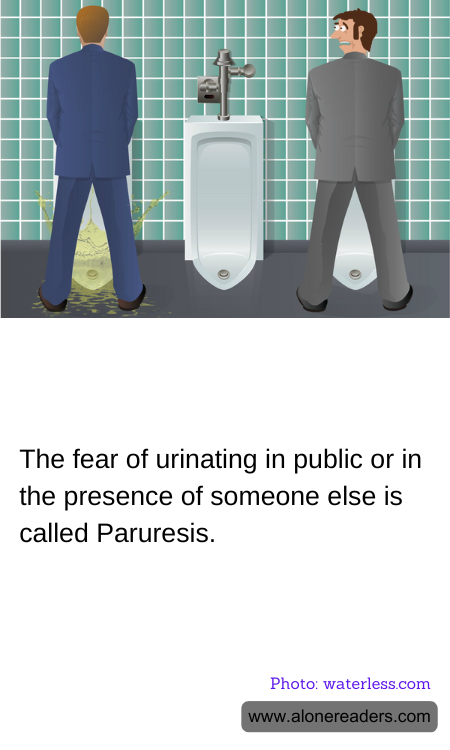
Paruresis, commonly known as shy bladder syndrome, is a social anxiety disorder that affects a significant portion of the population. This condition is characterized by the inability to urinate in public restrooms or in the presence of others, leading to considerable distress and inconvenience for those who experience it. While it may seem like a minor inconvenience to some, for those who suffer from paruresis, it can have a profound impact on their daily lives and social interactions.
The fear associated with paruresis is not simply a matter of discomfort but is rooted in deep-seated anxiety. Individuals with this condition often experience intense fear of being judged or ridiculed by others, which can trigger a fight-or-flight response, making it physically impossible to urinate. This anxiety can be exacerbated in crowded or unfamiliar environments, where the pressure to perform can become overwhelming. As a result, sufferers may go to great lengths to avoid situations where they might need to use a public restroom, such as limiting fluid intake or planning their day around restroom availability.
The origins of paruresis can vary from person to person. For some, it may stem from a traumatic experience in a public restroom, while for others, it may develop gradually over time due to social anxiety or self-consciousness. Regardless of its origin, the condition can lead to a cycle of avoidance and increased anxiety, making it difficult for individuals to overcome their fears without intervention.
Fortunately, there are several strategies and treatments available for those struggling with paruresis. Cognitive-behavioral therapy (CBT) is one of the most effective approaches, helping individuals to challenge and change the negative thought patterns that contribute to their anxiety. Gradual exposure therapy, where individuals are slowly introduced to situations that trigger their fear, can also be beneficial in reducing anxiety over time. In some cases, medication may be prescribed to help manage the symptoms of anxiety, although this is typically considered a supplementary treatment.
Support groups and online communities can also provide valuable resources and encouragement for individuals dealing with paruresis. Sharing experiences and coping strategies with others who understand the condition can help reduce feelings of isolation and provide a sense of solidarity. Additionally, practicing relaxation techniques such as deep breathing or visualization can help manage anxiety in the moment, making it easier to face challenging situations.
While paruresis can be a difficult condition to live with, it is important for sufferers to know that they are not alone and that help is available. With the right support and treatment, individuals can learn to manage their symptoms and regain control over their lives. By raising awareness and understanding of paruresis, we can help reduce the stigma surrounding this condition and encourage more people to seek the help they need.
