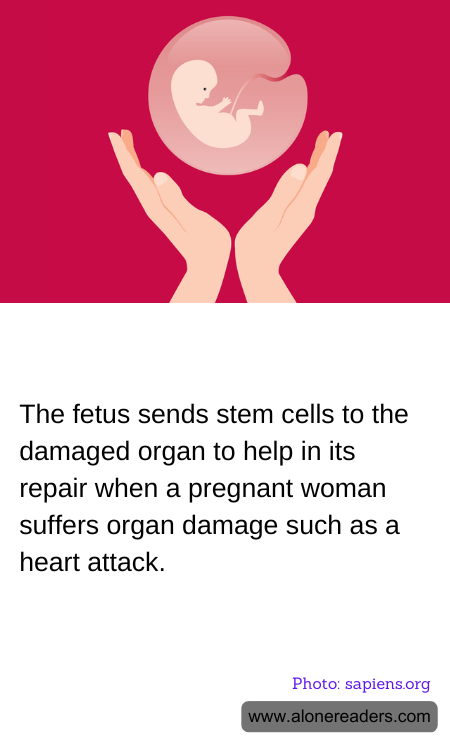
During pregnancy, the bond between a mother and her unborn child is not only emotional but also deeply physiological. Recent scientific discoveries have unveiled a fascinating aspect of this connection: the fetus can send stem cells to the mother to aid in the repair of damaged organs. This remarkable phenomenon highlights the intricate and symbiotic relationship between mother and child, showcasing nature's profound ability to protect and preserve life.
When a pregnant woman experiences organ damage, such as a heart attack, the body initiates a complex response to mitigate the harm. Among the most intriguing responses is the mobilization of fetal stem cells to the site of injury. These cells, which are pluripotent, have the unique ability to transform into various types of cells needed for tissue repair. This means that if a mother's heart is damaged, fetal stem cells can potentially differentiate into cardiac cells, contributing to the healing process.
The mechanism behind this transfer of cells is still being explored, but it is believed that the placenta plays a crucial role. The placenta acts as a conduit, allowing fetal cells to migrate into the mother's bloodstream and reach the damaged organ. This natural process not only aids in healing but also strengthens the bond between mother and child, as the fetus actively participates in the mother's well-being.
This discovery has opened new avenues for medical research, particularly in regenerative medicine. Understanding how fetal stem cells contribute to maternal health could lead to innovative treatments for organ damage, not only in pregnant women but potentially in the broader population. Scientists are keen to explore how these cells can be harnessed and replicated to repair tissues and organs, offering hope for conditions that currently have limited treatment options.
Moreover, this phenomenon underscores the importance of prenatal care and the need for expecting mothers to maintain a healthy lifestyle. By doing so, they not only support their own health but also optimize the conditions for their unborn child to thrive and potentially assist in their healing processes.
In conclusion, the ability of a fetus to send stem cells to a damaged organ in a pregnant woman is a testament to the incredible capabilities of the human body. It highlights the profound connection between mother and child and opens up exciting possibilities for future medical advancements. As research continues to unravel the mysteries of this process, it holds the promise of new therapies that could revolutionize the way we approach organ repair and regeneration.
