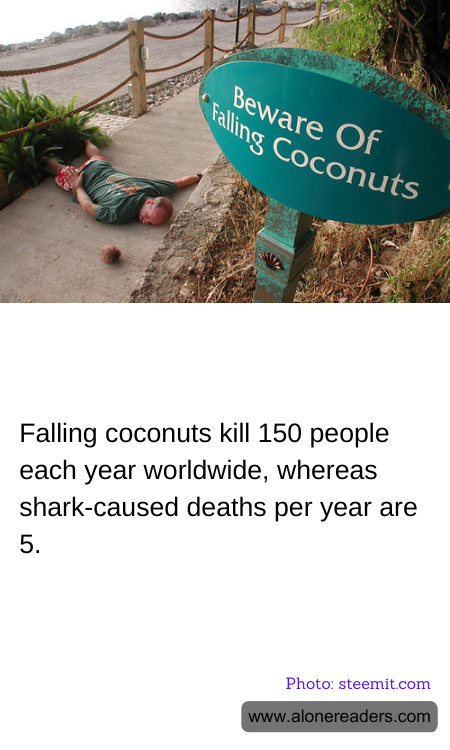
In the realm of unexpected dangers, few would suspect that a leisurely stroll beneath a coconut tree could pose a greater threat than a swim in shark-infested waters. Yet, statistics reveal a surprising reality: falling coconuts are responsible for approximately 150 deaths worldwide each year, while shark attacks account for only about five fatalities annually. This intriguing fact challenges our perceptions of risk and highlights the importance of understanding the true nature of everyday hazards.
Coconuts, often associated with tropical paradise and relaxation, can weigh up to four kilograms. When they fall from heights of up to 30 meters, the impact can be lethal. The phenomenon of falling coconuts is not just an urban legend but a documented risk in regions where these trees are prevalent. The danger is particularly significant in areas where coconut palms are abundant, such as the Pacific Islands, Southeast Asia, and parts of the Caribbean. In these regions, locals and tourists alike are advised to be cautious when walking or resting beneath coconut trees.
In contrast, sharks, often portrayed as the ultimate ocean predators, are responsible for far fewer human fatalities. Despite their fearsome reputation, sharks are generally not interested in humans as prey. Most shark attacks are cases of mistaken identity, where a shark confuses a swimmer or surfer for its usual prey. The rarity of fatal shark attacks underscores the importance of respecting marine life and understanding that these creatures play a crucial role in ocean ecosystems.
The disparity between coconut-related and shark-related fatalities serves as a reminder of the misconceptions that can arise from sensationalized media coverage and cultural myths. While shark attacks often make headlines, the more mundane but statistically significant threat of falling coconuts goes largely unnoticed. This discrepancy highlights the need for a balanced perspective on risk assessment, encouraging individuals to consider the actual likelihood of various dangers rather than relying on sensational stories.
Understanding the true risks associated with everyday activities can lead to more informed decision-making and a greater appreciation for the natural world. By recognizing the unexpected hazards posed by seemingly innocuous objects like coconuts, we can take simple precautions to protect ourselves and others. Whether it's avoiding resting directly under coconut trees or educating ourselves about marine life before entering the ocean, awareness and respect for our environment are key to minimizing risks.
In conclusion, the comparison between coconut-related and shark-related fatalities serves as a fascinating example of how perception often diverges from reality. By shedding light on these statistics, we can encourage a more informed and rational approach to assessing danger, ultimately leading to safer and more enjoyable interactions with the world around us.
