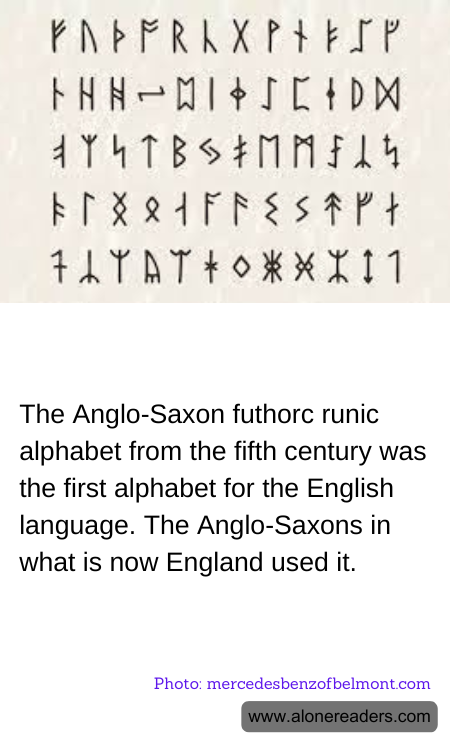
The Anglo-Saxon futhorc runic alphabet holds a significant place in the history of the English language, serving as its first alphabet. Emerging in the fifth century, this runic system was utilized by the Anglo-Saxons in what is now modern-day England. The futhorc, named after its first six letters—feoh, ur, thorn, os, rad, and cen—was an adaptation of the earlier Elder Futhark used by Germanic tribes. This adaptation was necessary to accommodate the phonetic complexities of Old English, which differed from the languages of the continental Germanic peoples.
Runes were more than mere letters; they were symbols imbued with cultural and mystical significance. Each rune had its own name and meaning, often associated with natural elements or everyday life. For example, the rune "feoh" represented wealth or cattle, reflecting the agrarian society of the time. The runic alphabet was not only a tool for communication but also a means of connecting with the spiritual and material world. This dual purpose made runes an integral part of Anglo-Saxon culture, used in inscriptions on monuments, personal items, and even in magical or divinatory practices.
The use of the futhorc runes in England is evidenced by numerous archaeological finds, including inscriptions on stone crosses, jewelry, and weapons. These artifacts provide a glimpse into the lives and beliefs of the Anglo-Saxons, illustrating how they recorded important events, marked ownership, and conveyed messages. The runes were typically carved into wood, stone, or metal, materials that were readily available and durable. This method of inscription ensured that the messages could withstand the test of time, allowing modern scholars to study and interpret them.
Despite its historical significance, the futhorc runic alphabet gradually fell out of use as the Latin alphabet gained prominence with the spread of Christianity. The Latin script was introduced by Christian missionaries and quickly became the standard for writing in England due to its association with religious texts and the broader European scholarly community. By the end of the Anglo-Saxon period, the Latin alphabet had largely replaced runes, although some runic symbols persisted in certain contexts, such as the thorn (þ) and wynn (?), which continued to be used in Old English manuscripts.
Today, the Anglo-Saxon futhorc runic alphabet is a subject of fascination for historians, linguists, and enthusiasts of ancient cultures. It offers valuable insights into the early development of the English language and the cultural practices of the Anglo-Saxons. The study of runes not only enriches our understanding of the past but also highlights the dynamic nature of language and writing systems, which evolve and adapt over time to meet the needs of their users. As we delve into the mysteries of the futhorc, we uncover the roots of English and the enduring legacy of the Anglo-Saxon people.
