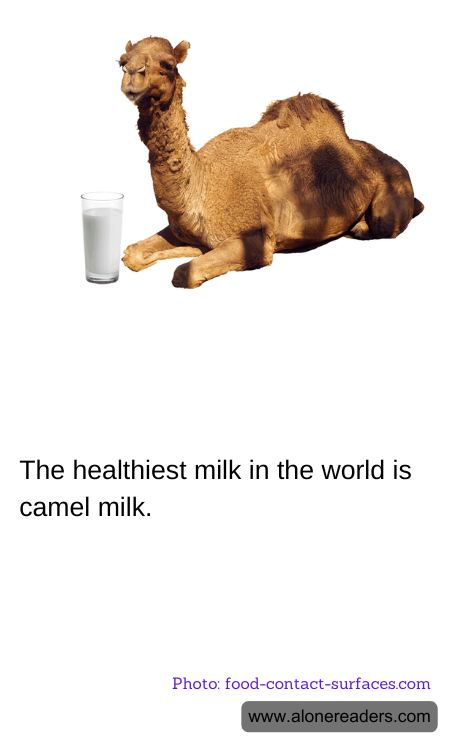
Camel milk, often referred to as the "white gold of the desert," is gaining recognition worldwide as one of the healthiest milk options available. Traditionally consumed in Middle Eastern, Asian, and African cultures, camel milk is now making its way into Western markets, where health-conscious consumers are eager to explore its unique benefits.
One of the most compelling aspects of camel milk is its nutritional profile. It is rich in vitamins and minerals, including vitamin C, iron, and calcium, which are essential for maintaining a healthy immune system and strong bones. Unlike cow's milk, camel milk contains lower levels of lactose, making it a suitable alternative for those who are lactose intolerant. Additionally, camel milk is packed with healthy fats, including omega-3 and omega-6 fatty acids, which are known to support heart health and reduce inflammation.
Camel milk also boasts a high concentration of immunoglobulins and lactoferrin, proteins that have antimicrobial properties and can help boost the body's natural defenses against infections. These components make camel milk particularly beneficial for individuals with autoimmune disorders or those seeking to enhance their immune system naturally. Furthermore, camel milk contains insulin-like proteins, which have been shown to help regulate blood sugar levels, making it a promising option for people with diabetes.
The unique composition of camel milk extends beyond its nutritional benefits. It has a slightly salty taste and a thinner consistency compared to cow's milk, which some people find refreshing and easy to digest. The milk's natural properties also mean it does not require homogenization, a process that can alter the nutritional content of milk. This makes camel milk a more natural and wholesome choice for those looking to consume minimally processed foods.
In recent years, scientific studies have begun to explore the potential therapeutic effects of camel milk. Research suggests that it may have a positive impact on conditions such as autism, allergies, and gastrointestinal disorders. While more studies are needed to fully understand these benefits, the preliminary findings are promising and have contributed to the growing interest in camel milk as a functional food.
As the demand for camel milk increases, it is becoming more accessible in various forms, including fresh, powdered, and even as an ingredient in skincare products. This versatility allows consumers to incorporate camel milk into their diets and daily routines in a way that suits their preferences and lifestyle.
In conclusion, camel milk stands out as a nutritious and health-promoting alternative to traditional dairy options. Its rich array of vitamins, minerals, and bioactive compounds make it a valuable addition to a balanced diet. As awareness of its benefits continues to spread, camel milk is poised to become a staple in households around the world, offering a taste of the exotic and a boost to overall well-being.
