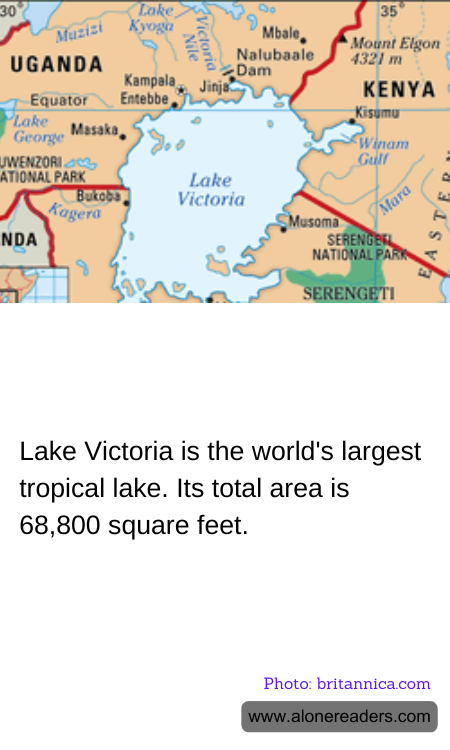
Lake Victoria, a shimmering jewel in East Africa, holds the title of the world's largest tropical lake. Spanning an impressive 68,800 square miles, it is a vital resource and a breathtaking natural wonder. Nestled between the countries of Tanzania, Uganda, and Kenya, Lake Victoria is not only a geographical marvel but also a cornerstone of the region's ecosystem and economy.
The lake's vast expanse supports a rich diversity of life, both in its waters and along its shores. It is home to over 200 species of fish, including the iconic Nile perch and the colorful cichlids, which are of great interest to scientists and aquarium enthusiasts alike. The lake's biodiversity is crucial for the local fishing industry, which provides livelihoods for millions of people living in the surrounding areas. The fish caught in Lake Victoria are a staple food source and a significant export product, contributing to the economies of the bordering nations.
Beyond its ecological importance, Lake Victoria plays a critical role in the daily lives of the communities that surround it. The lake is a primary source of freshwater for millions of people, supporting agriculture and providing water for domestic use. Its shores are dotted with bustling towns and cities, where vibrant markets and cultural exchanges thrive. The lake also serves as a transportation hub, with ferries and boats crisscrossing its waters, facilitating trade and travel between the countries that share its bounty.
However, Lake Victoria faces significant environmental challenges that threaten its health and the well-being of those who depend on it. Pollution from agricultural runoff, industrial waste, and untreated sewage has degraded water quality, impacting both aquatic life and human health. Invasive species, such as the water hyacinth, have spread across the lake, disrupting ecosystems and hindering navigation. Climate change also poses a threat, with fluctuating water levels and changing weather patterns affecting the lake's delicate balance.
Efforts are underway to address these challenges and preserve Lake Victoria for future generations. Regional cooperation among the bordering countries is crucial for implementing sustainable management practices and enforcing environmental regulations. Initiatives to improve waste management, control invasive species, and promote sustainable fishing practices are essential steps toward safeguarding the lake's future.
Lake Victoria is more than just a body of water; it is a lifeline for millions and a testament to the natural beauty and complexity of our planet. As the world's largest tropical lake, it holds immense ecological, economic, and cultural significance. Protecting this precious resource requires a collective effort, ensuring that it continues to sustain life and inspire awe for generations to come.
