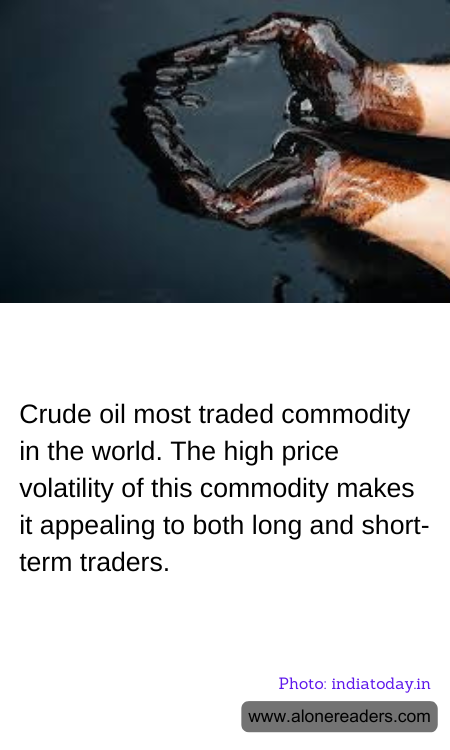
Crude oil stands as the most traded commodity in the world, a testament to its critical role in the global economy. This black gold is not only the lifeblood of industrialized nations but also a key driver of geopolitical strategies and economic policies. Its ubiquitous presence in everyday life, from fueling vehicles to heating homes and powering industries, underscores its unparalleled importance. The sheer volume of crude oil traded daily highlights its status as a cornerstone of global trade, with millions of barrels changing hands across continents.
One of the most intriguing aspects of crude oil trading is its high price volatility. This volatility stems from a myriad of factors, including geopolitical tensions, natural disasters, shifts in supply and demand, and changes in regulatory policies. For instance, political instability in oil-rich regions can lead to supply disruptions, causing prices to spike. Conversely, technological advancements in oil extraction, such as fracking, can lead to an oversupply, driving prices down. This constant ebb and flow create an environment ripe for speculation, attracting both long-term investors and short-term traders eager to capitalize on price fluctuations.
For long-term investors, crude oil offers a hedge against inflation and currency devaluation. As economies grow, the demand for energy increases, often leading to higher oil prices. By investing in crude oil, these investors aim to benefit from the long-term upward trend in prices driven by global economic growth. On the other hand, short-term traders are drawn to the market's volatility, which provides ample opportunities for profit through strategies like day trading and swing trading. These traders thrive on the rapid price movements, using technical analysis and market indicators to make quick decisions.
The appeal of crude oil trading is further enhanced by the availability of various financial instruments, such as futures contracts, options, and exchange-traded funds (ETFs). These instruments allow traders to speculate on future price movements without the need to physically own the commodity. Futures contracts, in particular, are popular among traders as they provide leverage, enabling them to control large positions with relatively small amounts of capital. This leverage, however, also amplifies risk, making crude oil trading a high-stakes endeavor.
Despite its allure, trading crude oil is not without challenges. The market's complexity requires a deep understanding of global economic trends, geopolitical developments, and technological advancements. Traders must stay informed and adapt quickly to changing conditions to succeed. Moreover, the inherent risks associated with high volatility necessitate a disciplined approach to risk management.
In conclusion, crude oil's status as the most traded commodity in the world is a reflection of its indispensable role in modern society. Its high price volatility presents both opportunities and challenges for traders, making it a dynamic and exciting market. Whether for long-term investment or short-term speculation, crude oil continues to captivate the attention of traders worldwide, underscoring its enduring significance in the global economic landscape.
