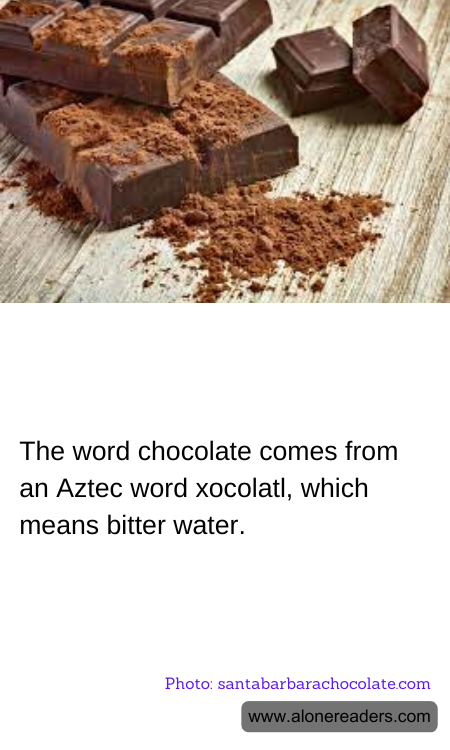
The word "chocolate" is derived from the Aztec word "xocolatl," which intriguingly translates to "bitter water." This etymology offers a glimpse into the rich history and cultural significance of chocolate, a beloved treat that has evolved dramatically over the centuries. The Aztecs, along with the Maya before them, revered chocolate not as a sweet indulgence but as a potent, bitter beverage that played a central role in their society.
In ancient Mesoamerican cultures, cacao beans were so highly valued that they were used as currency. The Aztecs believed that cacao was a divine gift from the god Quetzalcoatl, and they prepared xocolatl by grinding roasted cacao beans into a paste, mixing it with water, and adding spices such as chili peppers and vanilla. This concoction was far removed from the sweet, creamy chocolate we know today. Instead, it was a frothy, invigorating drink, often reserved for warriors, nobility, and religious ceremonies.
The journey of chocolate from a bitter Aztec beverage to a global sweet delight is a fascinating tale of cultural exchange and innovation. When Spanish explorers arrived in the Americas in the 16th century, they encountered xocolatl and were initially unimpressed by its bitterness. However, they soon discovered its energizing properties and began to experiment with the recipe. By adding sugar and cinnamon, the Spanish transformed the drink into a more palatable version, which quickly gained popularity in Europe.
As chocolate spread across the continent, it underwent further transformations. The Industrial Revolution in the 19th century brought about significant advancements in chocolate production, making it more accessible to the masses. The invention of the cocoa press allowed for the separation of cocoa butter from cocoa solids, paving the way for the creation of solid chocolate bars. This innovation marked the beginning of chocolate as we know it today—a sweet, creamy treat enjoyed by people of all ages.
Despite its evolution, the essence of chocolate remains rooted in its ancient origins. The word "xocolatl" serves as a reminder of the rich cultural heritage and the complex journey that chocolate has undertaken over the centuries. Today, chocolate continues to be a symbol of indulgence and pleasure, yet its history is a testament to its enduring significance and the profound impact it has had on societies around the world.
In understanding the origins of the word "chocolate," we gain a deeper appreciation for this beloved treat. It is a story of transformation, adaptation, and cultural fusion—a testament to the enduring allure of chocolate and its ability to transcend time and borders. Whether enjoyed as a simple bar, a luxurious truffle, or a steaming cup of cocoa, chocolate remains a cherished part of our lives, connecting us to a rich tapestry of history and tradition.
