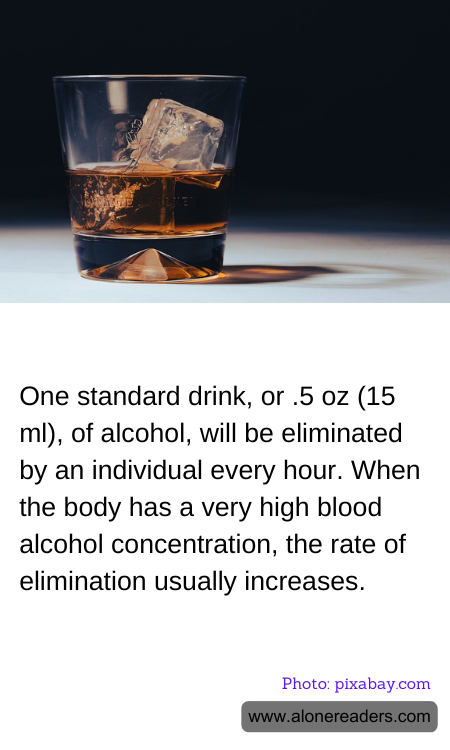
Understanding how the body processes alcohol is crucial for making informed decisions about drinking. When alcohol is consumed, it enters the bloodstream and is gradually metabolized by the liver. On average, the human body can eliminate one standard drink, which contains approximately 0.5 ounces (15 ml) of alcohol, every hour. This steady rate of elimination is a general guideline and can vary based on several factors, including an individual's weight, age, gender, and overall health.
The liver is the primary organ responsible for metabolizing alcohol. It uses enzymes to break down alcohol into acetaldehyde, which is then further broken down into acetic acid before being eliminated from the body. This process is relatively constant, meaning that drinking more alcohol does not speed up the rate at which it is metabolized. However, when someone has a very high blood alcohol concentration (BAC), the body may increase its rate of elimination slightly. This is because the liver works harder to process the excess alcohol, but this increase is not significant enough to counteract the effects of heavy drinking quickly.
It's important to note that while the body can increase its elimination rate slightly under high BAC conditions, this does not mean it can handle excessive drinking without consequences. High levels of alcohol in the bloodstream can lead to intoxication, impaired judgment, and potentially dangerous situations. Moreover, chronic heavy drinking can damage the liver and other organs, leading to long-term health issues.
Understanding the body's limitations in processing alcohol can help individuals make safer choices. For instance, pacing oneself and allowing time for the body to metabolize alcohol can reduce the risk of intoxication and its associated dangers. Additionally, being aware of how different factors such as food intake, hydration, and individual metabolism can affect alcohol processing can further aid in responsible drinking.
In conclusion, while the body has a remarkable ability to process alcohol, it does so at a relatively fixed rate. Recognizing this can help individuals plan their drinking habits more responsibly, ensuring they remain within safe limits and avoid the negative consequences of excessive alcohol consumption. By respecting the body's natural processes, individuals can enjoy alcohol in moderation while minimizing risks to their health and well-being.
