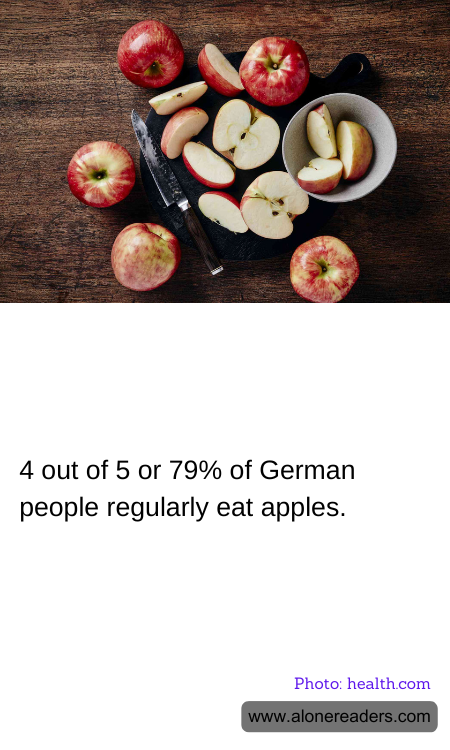
In the heart of Europe, Germany is renowned for its rich cultural heritage, technological advancements, and a deep appreciation for culinary traditions. Among the many facets of German life, one stands out for its simplicity and ubiquity: the apple. Recent statistics reveal that a remarkable 79% of Germans regularly consume apples, highlighting the fruit's significant role in the nation's diet.
Apples have long been a staple in German households, cherished for their versatility, nutritional benefits, and delightful taste. The country's temperate climate and fertile soil provide ideal conditions for apple cultivation, making Germany one of the leading apple producers in Europe. From the lush orchards of the Rhineland to the picturesque landscapes of Bavaria, apples are harvested with care and pride, contributing to the nation's agricultural economy.
The popularity of apples in Germany can be attributed to several factors. First and foremost, apples are incredibly nutritious, offering a rich source of vitamins, fiber, and antioxidants. They are known to support heart health, aid digestion, and boost the immune system, making them an excellent choice for health-conscious individuals. Moreover, apples are versatile and can be enjoyed in various forms, from fresh and raw to baked in traditional desserts like Apfelstrudel or pressed into refreshing apple juice and cider.
Culturally, apples hold a special place in German folklore and traditions. They are often associated with health and prosperity, symbolizing abundance and vitality. The apple is a common motif in German fairy tales and legends, further embedding it in the national consciousness. This cultural significance, combined with the fruit's health benefits, ensures that apples remain a beloved part of German life.
The widespread consumption of apples in Germany also reflects broader trends in the country's approach to food and nutrition. Germans are increasingly prioritizing fresh, locally-sourced produce, and apples fit seamlessly into this paradigm. Farmers' markets and local grocery stores frequently feature a variety of apple types, from the tart Granny Smith to the sweet Gala, catering to diverse tastes and preferences.
In schools, apples are often included in children's lunches, promoting healthy eating habits from a young age. This early introduction to the fruit helps instill a lifelong appreciation for its taste and benefits. Additionally, the simplicity of an apple makes it an accessible snack for people of all ages, whether enjoyed during a busy workday or as a leisurely treat at home.
In conclusion, the fact that 4 out of 5 Germans regularly eat apples is a testament to the fruit's enduring appeal and significance in the country. Apples are more than just a dietary choice; they are a symbol of health, tradition, and community. As Germany continues to embrace sustainable and nutritious food practices, the humble apple will undoubtedly remain a cherished part of the nation's culinary landscape.
