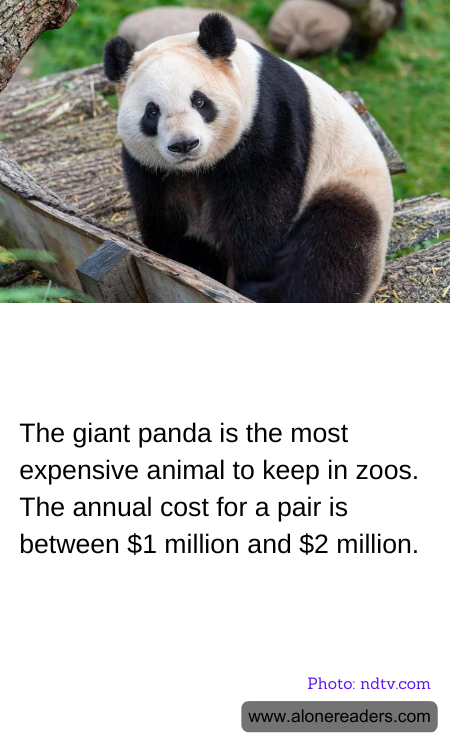
The giant panda, with its distinctive black and white fur and endearing demeanor, has long captured the hearts of people worldwide. However, behind the adorable exterior lies a hefty price tag, making the giant panda the most expensive animal to maintain in zoos. The annual cost for a pair of these beloved creatures ranges between $1 million and $2 million, a figure that underscores the complexity and dedication required to care for them.
The high cost of keeping giant pandas is primarily due to the unique requirements of their diet and habitat. Native to the mountainous regions of central China, pandas have a diet that consists almost entirely of bamboo. This dietary preference necessitates a constant supply of fresh bamboo, which can be both costly and logistically challenging to provide, especially in regions where bamboo is not naturally abundant. Zoos often need to import bamboo or cultivate it themselves, adding to the overall expenses.
Beyond their dietary needs, giant pandas require specialized care and facilities. Their enclosures must mimic their natural habitat as closely as possible, providing ample space for climbing and exploring, as well as areas for privacy and rest. The construction and maintenance of such environments demand significant financial investment. Additionally, pandas are prone to various health issues, necessitating regular veterinary care and monitoring. The expertise required to manage their health and well-being further contributes to the high costs associated with their upkeep.
The financial commitment to housing giant pandas is also influenced by the terms of international agreements. Most pandas in zoos outside of China are on loan from the Chinese government, which typically charges an annual fee for their presence. This fee is often used to fund conservation efforts in China, supporting the preservation of panda habitats and research initiatives aimed at increasing their population in the wild.
Despite the substantial costs, many zoos consider the investment in giant pandas worthwhile. These animals are not only a major draw for visitors, boosting attendance and revenue, but they also serve as ambassadors for wildlife conservation. The presence of pandas in zoos raises awareness about the challenges facing endangered species and the importance of preserving biodiversity. Educational programs centered around pandas can inspire a new generation of conservationists and foster a deeper appreciation for wildlife.
In conclusion, while the financial burden of maintaining giant pandas in zoos is significant, the benefits they bring in terms of education, conservation, and public engagement are invaluable. The giant panda's status as the most expensive animal to keep in zoos highlights the intricate balance between cost and conservation, reminding us of the ongoing efforts required to protect these cherished creatures for future generations.
