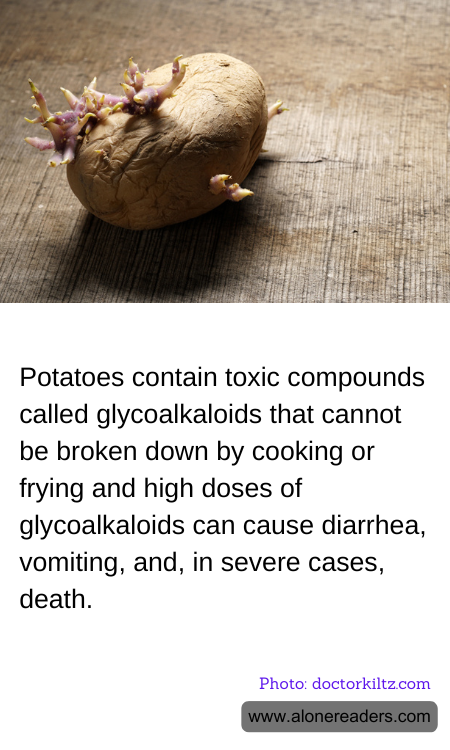
Potatoes, a staple in many diets around the world, are often celebrated for their versatility and nutritional benefits. However, beneath their humble exterior lies a lesser-known fact: potatoes contain naturally occurring toxic compounds known as glycoalkaloids. These compounds, primarily solanine and chaconine, are part of the plant's natural defense mechanism against pests and diseases. While they serve an essential role in the plant's survival, they can pose significant health risks to humans if consumed in large quantities.
Glycoalkaloids are present in all parts of the potato plant, including the leaves, stems, and tubers. The concentration of these compounds is typically highest in the skin and any green parts of the potato. This greening occurs when potatoes are exposed to light, which not only increases the levels of glycoalkaloids but also serves as a visual warning sign. It's important to note that these toxic compounds are not destroyed by cooking methods such as boiling, baking, or frying. Therefore, even well-cooked potatoes can still contain harmful levels of glycoalkaloids if they were initially present in high concentrations.
The consumption of high doses of glycoalkaloids can lead to a range of adverse health effects. Symptoms of glycoalkaloid poisoning include nausea, diarrhea, vomiting, and abdominal pain. In severe cases, it can lead to neurological symptoms such as dizziness, headaches, and confusion. Extremely high levels of glycoalkaloid intake can even be fatal, although such cases are rare. The risk is particularly significant for children, who are more susceptible to the toxic effects due to their lower body weight.
To minimize the risk of glycoalkaloid poisoning, it is advisable to store potatoes in a cool, dark place to prevent greening. Before cooking, any green or sprouted areas should be thoroughly removed, and it is often recommended to peel the potatoes to reduce glycoalkaloid content. Additionally, consuming a variety of foods and not relying excessively on potatoes as a dietary staple can help mitigate potential risks.
While the presence of glycoalkaloids in potatoes is a cause for caution, it should not deter individuals from enjoying this nutritious vegetable. Potatoes are rich in vitamins, minerals, and fiber, making them a valuable part of a balanced diet. By being mindful of storage and preparation methods, one can safely enjoy the benefits of potatoes without the associated risks of glycoalkaloid toxicity. As with many foods, moderation and proper handling are key to ensuring that potatoes remain a safe and healthy component of our meals.
