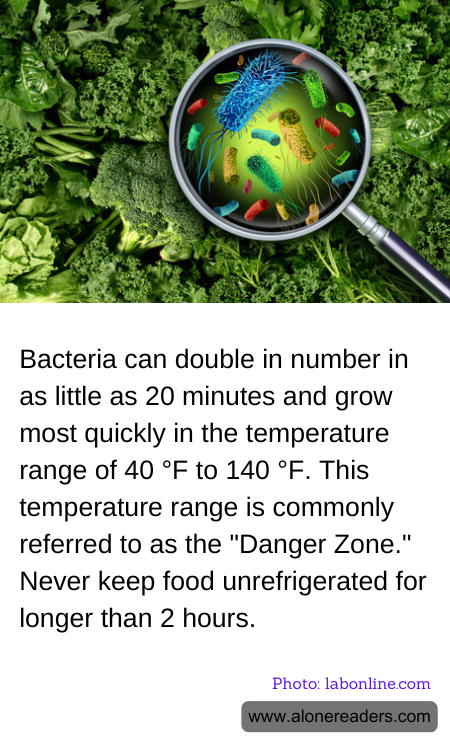
Bacteria are microscopic organisms that play a significant role in various ecosystems, including the human body. While many bacteria are harmless or even beneficial, some can cause foodborne illnesses. Understanding how quickly bacteria can multiply and the conditions that facilitate their growth is crucial for maintaining food safety.
One of the most astonishing facts about bacteria is their ability to double in number in as little as 20 minutes under optimal conditions. This rapid multiplication can lead to significant bacterial growth in a short period, posing a risk to food safety. The temperature range in which bacteria grow most efficiently is between 40 °F and 140 °F, commonly referred to as the "Danger Zone." Within this range, bacteria can thrive and multiply at an alarming rate, increasing the risk of foodborne illnesses.
The "Danger Zone" is a critical concept in food safety. It highlights the importance of keeping perishable foods out of this temperature range to prevent bacterial growth. Foods left unrefrigerated for more than two hours can quickly become a breeding ground for bacteria, making them unsafe to consume. This is particularly important for foods like meats, dairy products, and cooked dishes, which are more susceptible to bacterial contamination.
To minimize the risk of foodborne illnesses, it is essential to practice proper food handling and storage techniques. Refrigeration is a key factor in slowing down bacterial growth. Keeping your refrigerator at or below 40 °F can significantly reduce the risk of bacteria multiplying to dangerous levels. Additionally, cooking foods to their recommended internal temperatures can kill harmful bacteria, making them safe to eat.
When preparing meals, it is important to be mindful of how long food remains at room temperature. If you are hosting a gathering or preparing a large meal, consider using ice packs or chafing dishes to keep foods out of the "Danger Zone." For leftovers, promptly refrigerate or freeze them within two hours of cooking to ensure they remain safe for future consumption.
Understanding the "Danger Zone" and the rapid multiplication of bacteria is essential for anyone involved in food preparation and storage. By adhering to safe food handling practices and being vigilant about temperature control, we can significantly reduce the risk of foodborne illnesses and ensure that the meals we serve are both delicious and safe.
