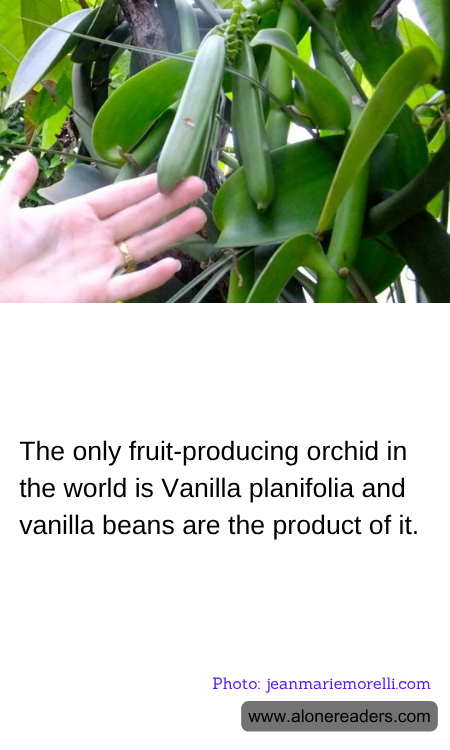
In the vast and diverse world of orchids, one species stands out not just for its beauty but for its unique ability to produce a fruit that has become a staple in kitchens worldwide. Vanilla planifolia, commonly known as the vanilla orchid, is the only orchid species that produces an edible fruit, the vanilla bean. This remarkable plant has a fascinating history and plays a crucial role in the culinary arts, offering a flavor that is both exotic and comforting.
Vanilla planifolia is native to Mexico and parts of Central America, where it thrives in the warm, humid climates of tropical forests. The plant itself is a climbing vine, capable of reaching lengths of up to 30 feet. Its delicate, pale green flowers bloom for just one day, requiring precise timing for pollination. In its native habitat, this task is performed by specific species of bees and hummingbirds. However, outside of these regions, human intervention is necessary to ensure the flowers are pollinated and can produce the coveted vanilla pods.
The process of cultivating vanilla is labor-intensive and requires patience. Once pollinated, the flowers develop into long, green pods that take several months to mature. After harvesting, the pods undergo a meticulous curing process that can last up to six months. This involves blanching, sweating, drying, and conditioning, during which the pods transform into the familiar dark brown, aromatic vanilla beans. This lengthy process is essential for developing the complex flavors and aromas that vanilla is renowned for.
Vanilla beans are prized for their rich, sweet fragrance and are used extensively in both sweet and savory dishes. From ice creams and cakes to sauces and marinades, vanilla adds a depth of flavor that is unmatched by any other spice. It is also a key ingredient in perfumes and aromatherapy, valued for its soothing properties. Despite the availability of synthetic vanilla flavoring, known as vanillin, true vanilla extract made from Vanilla planifolia remains highly sought after for its superior quality and authenticity.
The cultivation of vanilla is a testament to human ingenuity and dedication. Farmers, particularly in regions like Madagascar, Indonesia, and Tahiti, have perfected the art of vanilla production, contributing to the livelihoods of thousands of people. The global demand for vanilla continues to grow, driven by an appreciation for natural ingredients and the unique flavor profile that only genuine vanilla can provide.
In conclusion, Vanilla planifolia is more than just a plant; it is a symbol of nature's ability to produce something extraordinary. The vanilla bean, with its intricate cultivation process and unparalleled flavor, is a gift from the only fruit-producing orchid in the world. As we savor the taste of vanilla in our favorite dishes, we are reminded of the delicate balance between nature and human effort that brings this exquisite spice to our tables.
