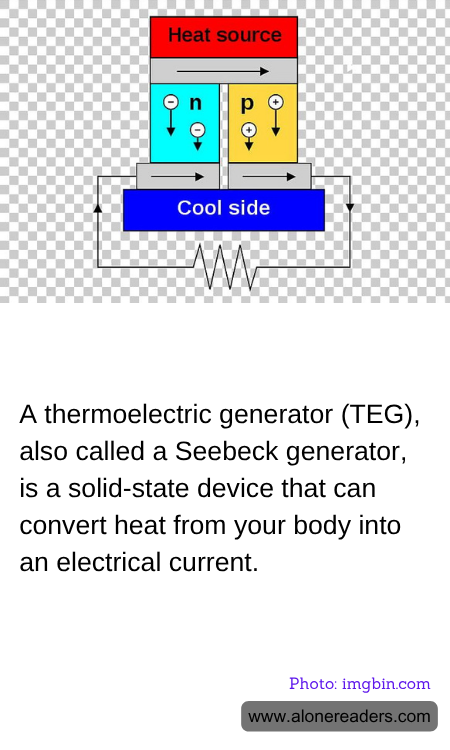
In an era where sustainable energy solutions are more crucial than ever, the thermoelectric generator (TEG), also known as a Seebeck generator, emerges as a fascinating innovation. This solid-state device has the remarkable ability to convert heat into electrical energy, offering a unique way to harness power from everyday sources, including the human body. The principle behind TEGs is rooted in the Seebeck effect, discovered by physicist Thomas Johann Seebeck in the early 19th century. When there is a temperature difference across two different conductive materials, an electric current is generated. This phenomenon is the cornerstone of how TEGs operate, transforming thermal energy into usable electricity.
The potential applications of thermoelectric generators are vast and varied. One of the most intriguing uses is the ability to convert body heat into electrical power. Imagine wearing a wristband or a patch that can charge your smartphone or power a small device simply by using the warmth of your skin. This capability is not only convenient but also represents a step towards more sustainable and self-sufficient technology. Such applications could be particularly beneficial in remote areas or during outdoor activities where access to traditional power sources is limited.
TEGs are not just limited to wearable technology. They can be integrated into a variety of systems to improve energy efficiency. For instance, in automotive industries, TEGs can be used to convert waste heat from engines into additional power, thereby improving fuel efficiency and reducing emissions. Similarly, in industrial settings, they can capture and convert waste heat from machinery, contributing to overall energy savings and environmental conservation.
The advantages of thermoelectric generators extend beyond their ability to generate power from heat. They are solid-state devices, meaning they have no moving parts, which makes them highly reliable and low-maintenance. This durability is a significant advantage over traditional mechanical generators, which require regular upkeep and are prone to wear and tear. Additionally, TEGs are silent in operation, making them suitable for applications where noise is a concern.
Despite their promising potential, thermoelectric generators do face challenges. The efficiency of current TEG technology is relatively low compared to other energy conversion methods. However, ongoing research and development are focused on improving the materials and designs used in TEGs to enhance their efficiency and broaden their applicability. As advancements continue, the role of TEGs in the future of energy solutions is likely to expand, offering a clean and innovative way to harness power from the heat that surrounds us.
In conclusion, thermoelectric generators represent a compelling intersection of science and sustainability. By converting heat into electricity, they offer a versatile and eco-friendly energy solution that can be applied in numerous contexts, from personal gadgets to large-scale industrial systems. As technology progresses, TEGs have the potential to become a staple in the quest for renewable energy, making them a topic of interest for scientists, engineers, and environmentally conscious individuals alike.
