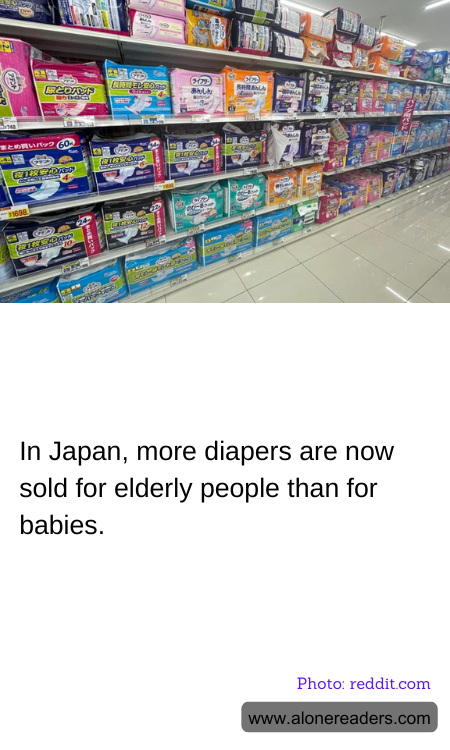
In recent years, Japan has experienced a demographic shift that is reshaping its consumer markets in unexpected ways. One of the most striking examples of this change is the fact that more diapers are now sold for elderly people than for babies. This trend highlights the country's aging population and the challenges it poses for society and the economy.
Japan's population is aging rapidly, with nearly 30% of its citizens aged 65 or older, making it one of the oldest populations in the world. This demographic shift is largely due to a combination of low birth rates and increased life expectancy. As a result, the demand for adult diapers has surged, surpassing that of infant diapers. This shift in consumer needs is a reflection of the broader societal changes occurring in Japan, as the country grapples with the implications of an aging population.
The increase in adult diaper sales is not just a statistic but a window into the evolving needs of Japan's elderly population. Many older adults require these products due to age-related health issues such as incontinence, which can significantly impact their quality of life. The rise in demand has prompted manufacturers to innovate and improve the design and functionality of adult diapers, making them more comfortable and discreet. This has also led to a broader acceptance and normalization of these products within society, reducing the stigma often associated with their use.
The economic implications of this trend are significant. The adult diaper market is expanding, providing opportunities for businesses to cater to the needs of an aging population. Companies are investing in research and development to create products that better serve the elderly, which in turn drives economic growth and job creation. However, this shift also underscores the challenges faced by Japan's economy, as a shrinking workforce and increasing healthcare costs put pressure on the country's social systems.
Moreover, the trend of selling more adult diapers than baby diapers raises important questions about the future of Japan's population. With fewer babies being born, the country faces the prospect of a declining population, which could have long-term effects on its economic vitality and cultural landscape. Policymakers are tasked with finding solutions to encourage higher birth rates while also addressing the needs of an aging society.
In conclusion, the fact that more diapers are sold for elderly people than for babies in Japan is a telling indicator of the country's demographic challenges. It reflects the broader societal shifts that come with an aging population and highlights the need for innovative solutions to support both the elderly and the younger generations. As Japan navigates these changes, it serves as a case study for other nations facing similar demographic trends, offering insights into the complexities and opportunities of an aging world.
