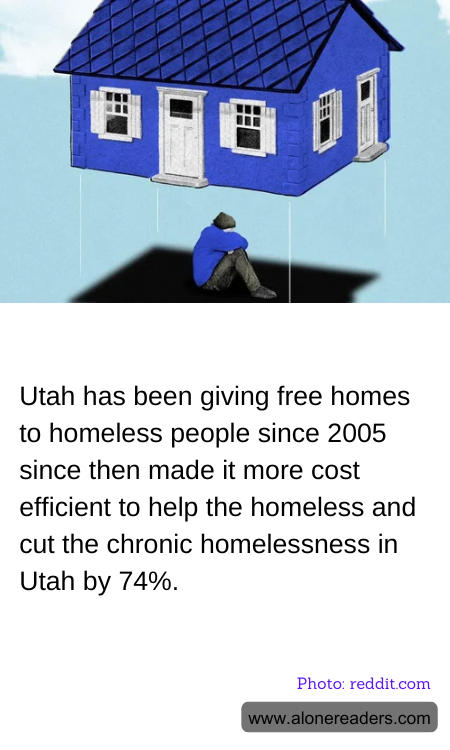
In 2005, Utah embarked on a groundbreaking initiative to address the persistent issue of homelessness by providing free homes to those in need. This bold move was part of the state's "Housing First" strategy, which prioritizes placing individuals in permanent housing as a foundational step towards rehabilitation and self-sufficiency. Over the years, this approach has not only proven to be compassionate but also remarkably effective, resulting in a 74% reduction in chronic homelessness across the state.
The "Housing First" model operates on a simple yet profound principle: by providing stable housing, individuals are better equipped to tackle other challenges such as mental health issues, substance abuse, and unemployment. This approach contrasts with traditional methods that often require individuals to address these issues before receiving housing assistance. By flipping the script, Utah has demonstrated that stability in housing can be a catalyst for broader personal and social improvements.
One of the most compelling aspects of Utah's initiative is its cost efficiency. While providing free homes might initially seem like a significant financial undertaking, the long-term savings are substantial. Studies have shown that the costs associated with emergency services, hospital visits, and law enforcement for homeless individuals far exceed the expenses of providing permanent housing. By reducing the need for these services, Utah has managed to save taxpayer money while simultaneously improving the quality of life for its residents.
The success of Utah's program has garnered attention and praise from across the nation, serving as a model for other states grappling with homelessness. The state's ability to cut chronic homelessness by such a significant margin is a testament to the effectiveness of the "Housing First" approach. It underscores the idea that addressing homelessness is not merely a matter of charity but a strategic investment in the community's overall well-being.
Despite its success, the program is not without challenges. Ensuring a steady supply of affordable housing, maintaining funding, and addressing the unique needs of each individual remain ongoing tasks. However, Utah's commitment to refining and expanding its efforts continues to inspire hope and progress.
In conclusion, Utah's initiative to provide free homes to the homeless has transformed lives and communities. By prioritizing housing as a fundamental human right, the state has not only reduced homelessness but also demonstrated that compassionate policies can be both humane and economically viable. As other regions look to replicate this success, Utah stands as a beacon of innovation and empathy in the ongoing fight against homelessness.
