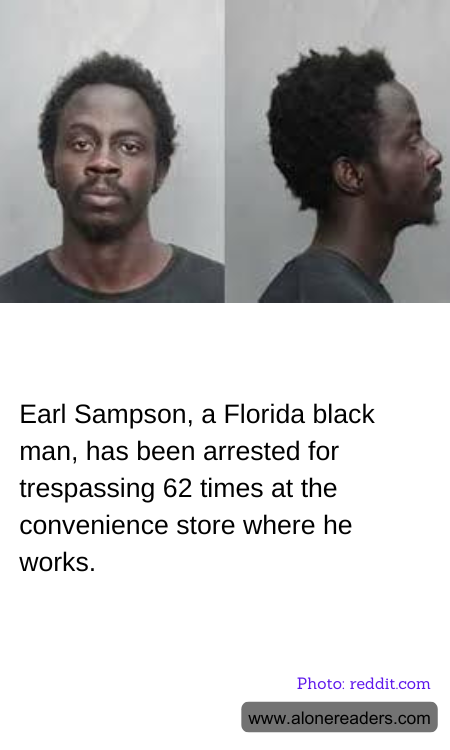
Earl Sampson's story is a troubling example of systemic issues within law enforcement and racial profiling in the United States. Sampson, a black man from Florida, has been arrested 62 times for trespassing at the convenience store where he is employed. This alarming statistic raises significant questions about the justice system's treatment of minority communities and the persistent challenges they face.
Sampson's repeated arrests highlight a pattern of racial profiling that is unfortunately all too common. Despite being an employee at the store, he has been repeatedly targeted by police officers who seemingly disregard his legitimate presence there. This situation underscores a broader issue where individuals from minority backgrounds are often unfairly scrutinized and criminalized, even in spaces where they have every right to be.
The convenience store's owner, Alex Saleh, has expressed outrage over the repeated arrests of his employee. Saleh has gone to great lengths to protect Sampson, including installing surveillance cameras to document the police's actions. The footage captured has been instrumental in revealing the unjust nature of the arrests, showing Sampson being detained without cause. Saleh's efforts to stand by his employee demonstrate the importance of allyship in combating racial injustice.
This case also sheds light on the need for comprehensive reform within law enforcement agencies. Training programs that emphasize cultural sensitivity and community engagement could help reduce instances of racial profiling. Additionally, implementing accountability measures for officers who engage in discriminatory practices is crucial to restoring trust between police forces and the communities they serve.
Earl Sampson's experience is a stark reminder of the ongoing struggle for racial equality in America. It calls for a collective effort to address and dismantle the systemic biases that continue to affect minority communities. By raising awareness and advocating for change, society can work towards a future where individuals are judged by their actions, not the color of their skin. Sampson's story is not just about one man's plight; it is a call to action for justice and equality for all.
