More About This Card
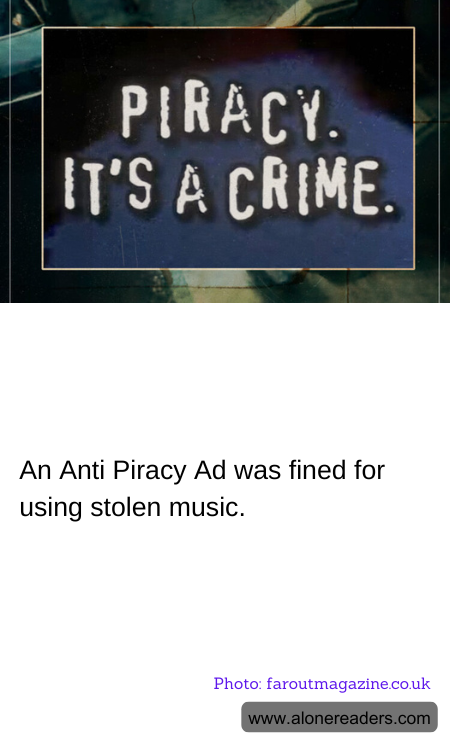
In a twist of irony that has left many in the entertainment industry both amused and bewildered, an anti-piracy advertisement has been fined for using stolen music. This incident has sparked a conversation about the complexities of intellectual property rights and the importance of practicing what one preaches, especially in campaigns that aim to combat piracy.
The advertisement in question was part of a broader campaign designed to raise awareness about the negative impacts of piracy on the creative industries. It aimed to educate the public on the importance of supporting artists by purchasing legitimate copies of their work. However, the campaign's credibility took a significant hit when it was revealed that the background music used in the ad was not properly licensed. The music, a catchy tune that underscored the ad's message, was discovered to have been used without the permission of its rightful owner, leading to a legal dispute and subsequent fine.
This incident highlights a critical oversight in the production process of the advertisement. It serves as a reminder that even well-intentioned campaigns can falter if due diligence is not observed. The organization behind the ad has since issued a public apology, acknowledging the mistake and expressing regret for the oversight. They have also committed to rectifying the situation by compensating the original artist and ensuring that all future campaigns adhere strictly to copyright laws.
The irony of the situation has not been lost on the public, with many taking to social media to express their disbelief and amusement. The incident has been a talking point across various platforms, with discussions focusing on the importance of respecting intellectual property rights. It serves as a cautionary tale for organizations and individuals alike, emphasizing the need for vigilance in ensuring that all content used in public campaigns is legally obtained and properly credited.
This case also underscores the broader challenges faced by the creative industry in the digital age. With the ease of access to digital content, the lines between legal and illegal use can sometimes blur, leading to unintentional infringements. It is crucial for organizations to implement robust processes to verify the legality of all content used in their campaigns to avoid similar pitfalls.
In conclusion, while the anti-piracy ad's misstep is a humorous anecdote, it also serves as a serious reminder of the importance of adhering to copyright laws. As the digital landscape continues to evolve, the need for awareness and education around intellectual property rights becomes ever more critical. This incident should encourage all stakeholders in the creative industry to lead by example, ensuring that their actions align with the messages they promote.