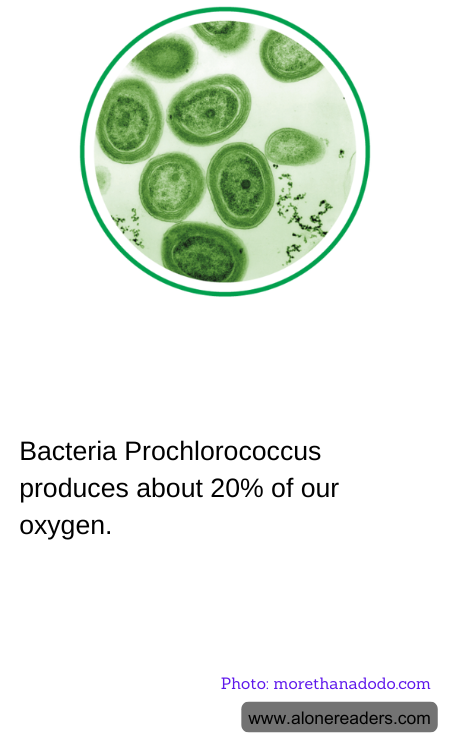
In the vast expanse of the world's oceans, a microscopic marvel plays a pivotal role in sustaining life on Earth. Prochlorococcus, a genus of marine cyanobacteria, is a tiny but mighty organism that contributes significantly to the planet's oxygen supply. Despite its minuscule size, Prochlorococcus is responsible for producing approximately 20% of the oxygen we breathe, making it an unsung hero of the natural world.
Prochlorococcus thrives in the sunlit regions of the ocean, known as the euphotic zone, where it harnesses sunlight to perform photosynthesis. This process not only generates oxygen but also forms the foundation of the marine food web. As Prochlorococcus converts carbon dioxide and sunlight into energy, it releases oxygen as a byproduct, enriching the atmosphere with this essential gas. The sheer abundance of these bacteria, numbering in the trillions, underscores their critical role in maintaining the balance of life on Earth.
Discovered in the late 1980s, Prochlorococcus has since captivated scientists with its simplicity and efficiency. Its ability to thrive in nutrient-poor waters and adapt to varying light conditions makes it a master of survival. This adaptability is crucial, as it allows Prochlorococcus to inhabit a wide range of oceanic environments, from the equator to the poles. The genetic diversity within Prochlorococcus populations further enhances their resilience, enabling them to withstand changes in their environment.
The significance of Prochlorococcus extends beyond oxygen production. By absorbing carbon dioxide, these bacteria help mitigate the impacts of climate change. As the oceans absorb excess carbon dioxide from the atmosphere, Prochlorococcus plays a part in sequestering this greenhouse gas, thus contributing to the regulation of the Earth's climate. This dual role in oxygen production and carbon sequestration highlights the importance of preserving marine ecosystems, which are increasingly threatened by pollution, overfishing, and climate change.
Understanding and protecting Prochlorococcus is vital for the health of our planet. As researchers continue to study these remarkable bacteria, they uncover new insights into their biology and ecological impact. Such knowledge is crucial for developing strategies to safeguard marine biodiversity and ensure the continued provision of oxygen and climate regulation services.
In a world where the focus often falls on larger, more visible organisms, Prochlorococcus serves as a reminder of the profound impact that even the smallest creatures can have on the global ecosystem. By appreciating and protecting these microscopic powerhouses, we take a step toward securing a healthier, more sustainable future for all life on Earth.
