More About This Card
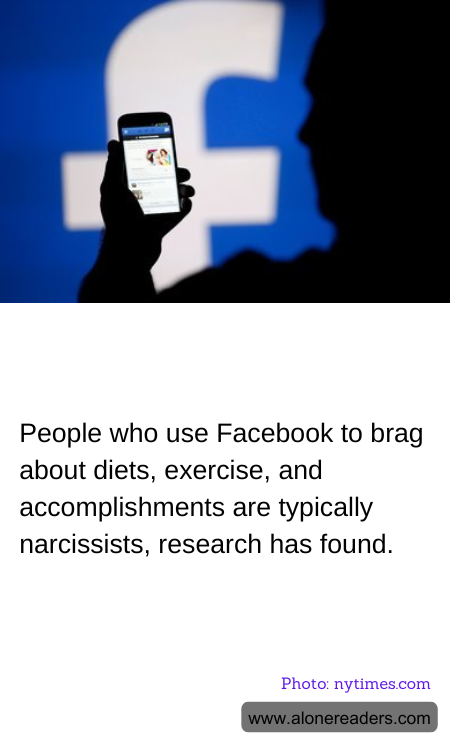
In the age of social media, platforms like Facebook have become a stage for individuals to share their lives with friends, family, and sometimes even strangers. Among the myriad of posts that populate our news feeds, there is a noticeable trend: people frequently sharing updates about their diets, exercise routines, and personal accomplishments. While these posts can be inspiring and motivational, research suggests that they may also be indicative of a deeper psychological trait—narcissism.
Narcissism, characterized by an inflated sense of self-importance and a deep need for admiration, can manifest in various ways. Recent studies have found a correlation between narcissistic tendencies and the frequency of self-promotional posts on social media. Individuals who frequently post about their fitness achievements, dietary choices, or personal milestones may be seeking validation and admiration from their online audience. This behavior aligns with the narcissistic desire for attention and affirmation, as these posts often garner likes, comments, and shares, providing the poster with a sense of accomplishment and recognition.
The research highlights that while not everyone who shares their achievements online is a narcissist, those with narcissistic traits are more likely to engage in such behavior. These individuals often use social media as a tool to construct and maintain a favorable self-image. By curating their online presence to highlight their successes and lifestyle choices, they can project an idealized version of themselves to the world. This digital persona often contrasts with their real-life experiences, where they may not receive the same level of admiration or attention.
However, it is essential to approach these findings with nuance. Social media is a complex ecosystem where people share for various reasons, including seeking support, inspiring others, or simply documenting their journey. Not all posts about diets, exercise, or accomplishments are rooted in narcissism. Many individuals genuinely wish to share their progress and motivate others to pursue healthier lifestyles or personal growth. The key difference lies in the intent behind the posts and the emotional response when they do not receive the expected engagement.
For those who find themselves frequently posting about personal achievements, it may be worth reflecting on the motivations behind these shares. Are they seeking genuine connection and support, or is there an underlying need for validation? Understanding these motivations can lead to healthier social media habits and a more balanced relationship with online platforms.
In conclusion, while the link between narcissism and self-promotional social media posts is supported by research, it is crucial to remember that human behavior is multifaceted. Social media can be a powerful tool for connection and inspiration, but it can also amplify narcissistic tendencies. By fostering self-awareness and critical reflection, individuals can navigate the digital world more mindfully, ensuring that their online presence aligns with their true selves.