More About This Card
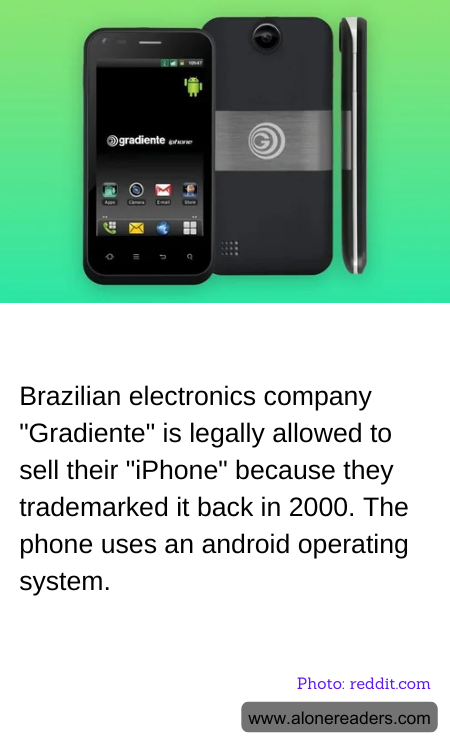
In a fascinating twist in the world of technology and branding, Brazilian electronics company Gradiente has found itself in a unique position. The company is legally permitted to sell its own "iPhone" in Brazil, a decision rooted in the fact that Gradiente trademarked the name back in 2000, a full seven years before Apple launched its iconic smartphone. This unusual situation highlights the complexities of international trademark laws and the challenges global companies face when expanding into new markets.
Gradiente, a company with a long history in the Brazilian electronics market, registered the "iPhone" trademark with the National Institute of Industrial Property (INPI) in Brazil. The registration was part of a strategic move to capitalize on the burgeoning mobile phone market at the time. However, it wasn't until 2012 that Gradiente released its first "iPhone," a device that runs on the Android operating system, starkly contrasting with Apple's iOS.
The Brazilian "iPhone" by Gradiente is not just a legal curiosity but also a testament to the diverse landscape of the global smartphone market. While it may not boast the same design or features as Apple's version, it serves as a reminder of the importance of understanding and navigating trademark laws in different countries. For Gradiente, the ability to use the "iPhone" name in Brazil represents a significant branding advantage, allowing them to leverage the global recognition of the name while offering a distinct product tailored to local consumers.
Apple, known for its rigorous protection of its intellectual property, has faced challenges in Brazil due to this trademark issue. The legal battle between Apple and Gradiente has been ongoing, with Brazilian courts consistently upholding Gradiente's rights to the trademark. This has forced Apple to market its products under the name "iPhone" in Brazil, but with the understanding that Gradiente holds the rights to the name within the country.
For consumers, the existence of two distinct "iPhones" in Brazil can be confusing, yet it also provides an interesting case study in brand perception and consumer choice. Gradiente's version, running on Android, offers an alternative for those who may prefer the flexibility and customization options of the Android operating system, while still enjoying the prestige associated with the "iPhone" name.
This situation underscores the importance of strategic foresight in business, particularly in the realm of intellectual property. Companies looking to expand globally must be diligent in securing trademarks and understanding the legal landscapes of the countries they enter. For Gradiente, the early trademark registration has proven to be a valuable asset, allowing them to carve out a niche in a highly competitive market.
In conclusion, Gradiente's ability to sell its "iPhone" in Brazil is a compelling example of how local trademark laws can influence global business strategies. It highlights the need for companies to be proactive in protecting their brands while also adapting to the unique challenges presented by different markets. As the technology landscape continues to evolve, such cases will likely become more common, offering valuable lessons for businesses worldwide.