More About This Card
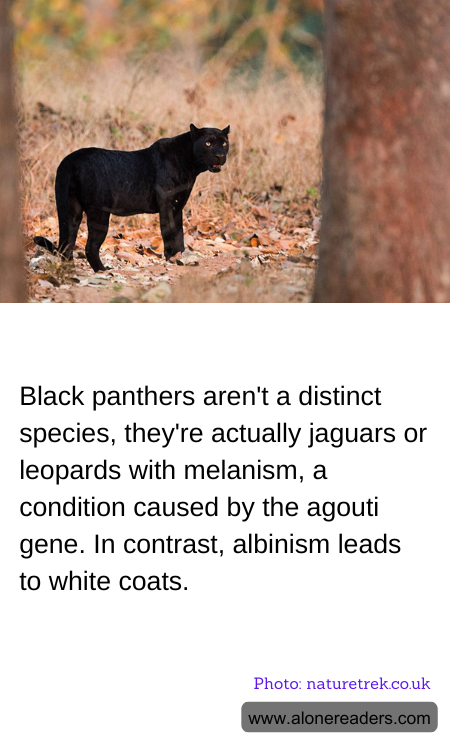
The enigmatic black panther, often depicted as a mysterious and solitary creature prowling through dense jungles, has long captured the imagination of people worldwide. However, contrary to popular belief, black panthers are not a distinct species. Instead, they are jaguars or leopards exhibiting a fascinating genetic condition known as melanism. This condition is caused by a mutation in the agouti gene, which results in an overproduction of dark pigment, giving these animals their striking black coats.
Melanism is a natural phenomenon that occurs in various animal species, including cats, squirrels, and even snakes. In the case of big cats, melanism is most commonly observed in leopards (Panthera pardus) and jaguars (Panthera onca). While their coats appear entirely black at first glance, a closer inspection often reveals the presence of the characteristic rosettes or spots that are typical of these species. The dark pigmentation provides a unique advantage in certain environments, such as dense forests, where it aids in camouflage, allowing these predators to stalk their prey with greater stealth.
The genetic basis of melanism lies in the agouti gene, which regulates the distribution of black and yellow pigments in the fur. A mutation in this gene can lead to an increase in the production of eumelanin, the pigment responsible for black and brown colors, resulting in the dark coat of a melanistic animal. This condition is not to be confused with albinism, which is caused by a different genetic mutation that leads to a lack of melanin production. Animals with albinism have white coats and often pink eyes due to the absence of pigment.
While melanism can offer certain advantages, such as improved camouflage, it also presents challenges. In some regions, the rarity of black panthers can make them targets for poaching, as their unique appearance is highly prized. Additionally, the dark coloration can make it difficult for these animals to regulate their body temperature in hot climates, potentially impacting their survival.
The allure of the black panther is undeniable, and its presence in popular culture, from literature to film, has only heightened its mystique. However, understanding the genetic and ecological factors that contribute to the existence of these magnificent creatures enriches our appreciation of the natural world. By recognizing that black panthers are not a separate species but rather a remarkable variation within existing species, we gain insight into the complexity and diversity of life on Earth.
In conclusion, the black panther serves as a testament to the wonders of genetic variation and adaptation. As we continue to study and protect these animals, we are reminded of the delicate balance of nature and the importance of preserving the habitats that support such incredible biodiversity. Whether as a symbol of strength, mystery, or beauty, the black panther remains an enduring icon of the wild.