More About This Card
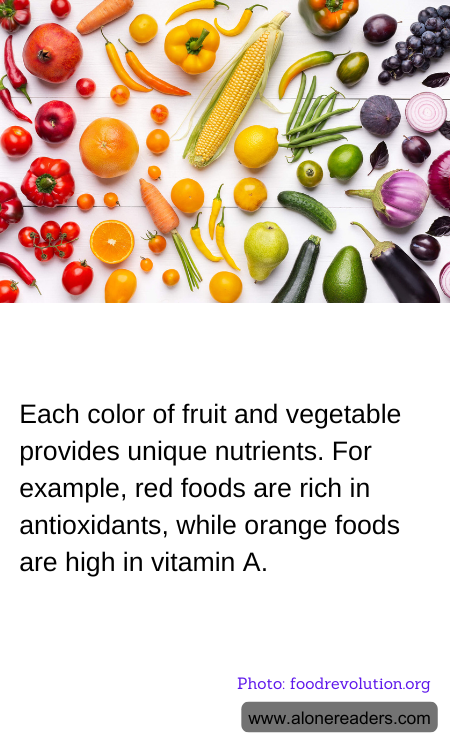
In the vibrant world of fruits and vegetables, each color tells a unique story of the nutrients it offers. These natural hues are not just visually appealing but also indicative of the health benefits they provide. Understanding the nutritional value associated with different colors can help us make informed choices about our diet, ensuring we receive a balanced intake of essential vitamins and minerals.
Red fruits and vegetables, such as tomatoes, strawberries, and red bell peppers, are renowned for their high antioxidant content. These antioxidants, including lycopene and anthocyanins, play a crucial role in protecting our cells from damage caused by free radicals. Lycopene, in particular, has been linked to a reduced risk of certain types of cancer and improved heart health. Incorporating red foods into your diet can thus be a delicious way to boost your body's defense mechanisms.
Orange fruits and vegetables, like carrots, sweet potatoes, and oranges, are celebrated for their rich vitamin A content. This vitamin is essential for maintaining good vision, supporting immune function, and promoting healthy skin. The vibrant orange color is often due to the presence of beta-carotene, a precursor to vitamin A, which the body converts as needed. Consuming a variety of orange foods can help ensure you receive adequate amounts of this vital nutrient, contributing to overall well-being.
Green vegetables, such as spinach, broccoli, and kale, are packed with vitamins K, C, and E, as well as essential minerals like iron and calcium. These nutrients are vital for maintaining strong bones, supporting the immune system, and promoting healthy blood circulation. The chlorophyll that gives these vegetables their green color is also known for its detoxifying properties, helping to cleanse the body of harmful toxins.
Purple and blue fruits and vegetables, including blueberries, eggplants, and purple cabbage, are rich in anthocyanins, which have been shown to improve brain function and reduce inflammation. These foods are also high in fiber, which aids in digestion and helps maintain a healthy weight. The deep hues of these foods are a testament to their potent health benefits, making them a valuable addition to any diet.
Yellow fruits and vegetables, such as bananas, pineapples, and yellow peppers, are excellent sources of vitamin C and potassium. These nutrients are crucial for maintaining a healthy immune system, supporting heart health, and ensuring proper muscle function. The sunny color of these foods can brighten up any meal while providing essential nutrients that support overall health.
Incorporating a rainbow of fruits and vegetables into your diet is a simple yet effective way to ensure you receive a wide range of nutrients. By appreciating the unique benefits each color offers, you can create meals that are not only visually appealing but also nutritionally balanced. Embracing the natural palette of fruits and vegetables can lead to a healthier lifestyle, benefiting people of all ages.