More About This Card
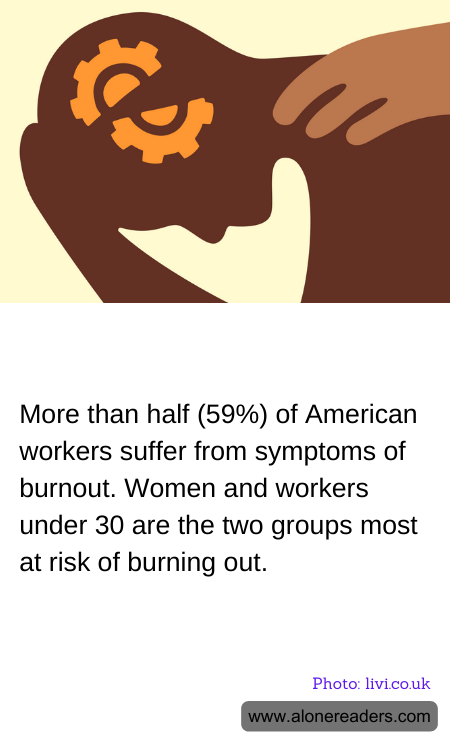
In recent years, the conversation around workplace wellness has gained significant traction, yet the issue of burnout remains a pressing concern. A staggering 59% of American workers report experiencing symptoms of burnout, a condition characterized by chronic workplace stress that has not been successfully managed. This phenomenon is not just a fleeting trend but a deep-rooted issue that affects productivity, mental health, and overall quality of life. Among the workforce, women and individuals under the age of 30 are particularly vulnerable, facing unique challenges that exacerbate their risk of burnout.
For women, the struggle with burnout is often compounded by the dual pressures of professional and personal responsibilities. Despite strides toward gender equality, women frequently find themselves juggling multiple roles, from career obligations to family duties. This balancing act can lead to an overwhelming sense of fatigue and stress, as they strive to meet the high expectations placed upon them both at work and at home. Additionally, women often face workplace inequities such as pay gaps and limited advancement opportunities, which can contribute to feelings of frustration and exhaustion.
Young workers, particularly those under 30, are also at a heightened risk of burnout. Entering the workforce during a time of economic uncertainty and rapid technological change, these individuals often encounter high expectations and intense competition. The pressure to prove themselves in their careers can lead to long hours and a lack of work-life balance. Furthermore, the digital age has blurred the lines between work and personal life, making it difficult for young workers to disconnect and recharge. The constant connectivity can lead to a sense of being perpetually "on," further fueling the cycle of burnout.
Addressing burnout requires a multifaceted approach that involves both individual and organizational efforts. On a personal level, workers can benefit from setting boundaries, prioritizing self-care, and seeking support when needed. Mindfulness practices, regular exercise, and adequate rest are crucial components of maintaining mental and physical health. However, the onus should not solely be on individuals to manage their stress. Employers play a critical role in fostering a supportive work environment that prioritizes employee well-being. This can include implementing flexible work arrangements, promoting a culture of open communication, and providing resources for mental health support.
Ultimately, tackling burnout is not just about alleviating symptoms but about creating a sustainable work culture that values the well-being of its employees. As awareness of this issue grows, it is imperative for both workers and employers to take proactive steps to address the root causes of burnout. By doing so, we can pave the way for a healthier, more productive workforce that thrives in the face of challenges rather than succumbing to them.