More About This Card
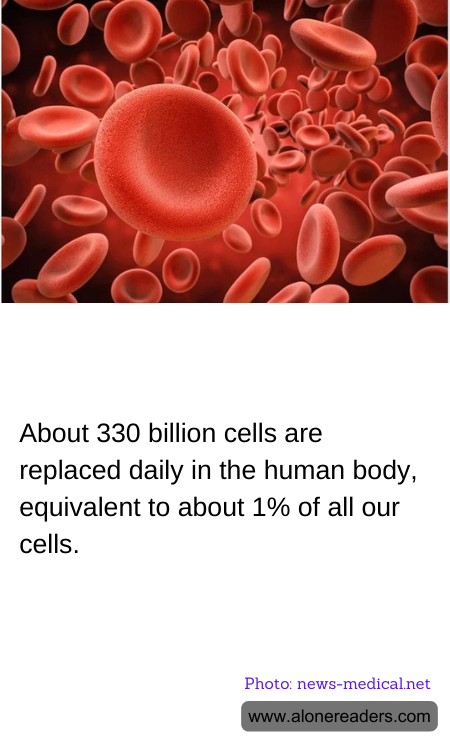
Every day, the human body undergoes a remarkable transformation, replacing approximately 330 billion cells. This process, which accounts for about 1% of all the cells in our body, is a testament to the dynamic and regenerative nature of human biology. The continuous cycle of cell renewal is crucial for maintaining health, repairing damage, and ensuring the proper functioning of our organs and tissues.
The human body is composed of trillions of cells, each with a specific role, from the neurons in our brains to the red blood cells that transport oxygen. These cells have varying lifespans, with some, like skin cells, renewing every few weeks, while others, such as certain brain cells, may last a lifetime. The daily replacement of 330 billion cells involves a complex interplay of biological processes, including cell division, differentiation, and apoptosis, or programmed cell death.
Cell renewal is particularly evident in tissues that experience constant wear and tear. For instance, the epithelial cells lining the gut are replaced every few days to maintain a healthy digestive system. Similarly, the skin, our largest organ, sheds and regenerates cells regularly to protect against environmental damage and pathogens. This regenerative ability is not only vital for healing wounds but also for adapting to changes in our environment.
The process of cell replacement is orchestrated by stem cells, which have the unique ability to develop into various cell types. These stem cells reside in different tissues and are activated when new cells are needed. For example, hematopoietic stem cells in the bone marrow are responsible for producing new blood cells, ensuring that our circulatory system functions efficiently. This ongoing renewal is essential for sustaining life and adapting to the body's ever-changing needs.
While the body's ability to replace cells is a marvel of nature, it is not without its challenges. As we age, the efficiency of cell renewal can decline, leading to slower healing and increased susceptibility to diseases. Understanding the mechanisms behind cell regeneration is a major focus of scientific research, with the potential to unlock new treatments for age-related conditions and regenerative medicine.
In conclusion, the daily replacement of 330 billion cells is a fundamental aspect of human biology that underscores the body's resilience and adaptability. This continuous cycle of renewal not only maintains our health but also highlights the intricate and awe-inspiring nature of life itself. As science continues to explore the mysteries of cell regeneration, we gain deeper insights into how our bodies function and how we might enhance their ability to heal and thrive.