More About This Card
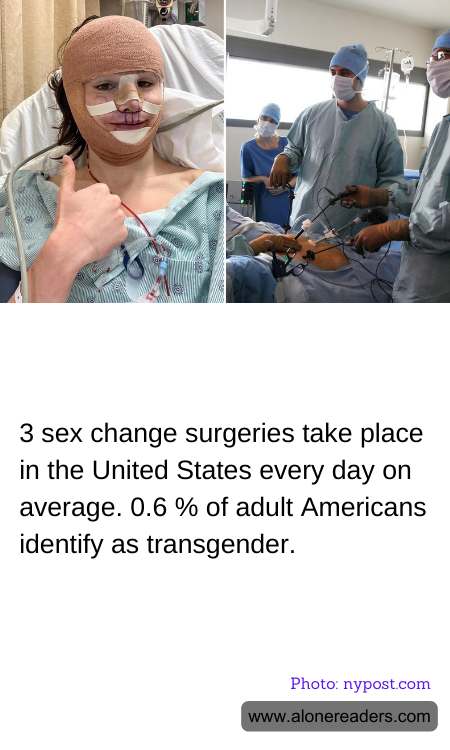
In recent years, the conversation surrounding gender identity and transgender rights has gained significant traction in the United States. As societal understanding and acceptance of diverse gender identities continue to evolve, more individuals are seeking medical interventions to align their physical bodies with their gender identity. On average, three sex change surgeries occur daily in the United States, reflecting a growing demand for gender-affirming procedures.
The increase in these surgeries can be attributed to several factors, including greater visibility and acceptance of transgender individuals, advancements in medical technology, and improved access to healthcare. For many transgender people, undergoing surgery is a crucial step in their transition journey, helping them achieve congruence between their gender identity and physical appearance. This alignment can significantly enhance their mental health and overall well-being, reducing feelings of gender dysphoria and increasing self-esteem.
Despite the rising number of surgeries, the transgender community still faces numerous challenges. According to recent statistics, approximately 0.6% of adult Americans identify as transgender. This figure, while seemingly small, represents a significant portion of the population that continues to encounter discrimination, stigma, and barriers to healthcare. Many transgender individuals struggle with accessing necessary medical services due to financial constraints, lack of insurance coverage, or limited availability of qualified healthcare providers.
The journey toward gender affirmation is deeply personal and varies greatly from one individual to another. While some may opt for surgical interventions, others may choose hormone therapy or non-medical approaches to express their gender identity. It is essential to recognize that each person's path is unique and valid. Society's role is to support and respect these choices, ensuring that all individuals have the freedom to live authentically.
Education and awareness are crucial in fostering a more inclusive environment for transgender individuals. By understanding the challenges they face and the importance of gender-affirming care, society can work towards eliminating prejudice and promoting equality. Media representation, inclusive policies, and community support play pivotal roles in shaping public perception and creating a safer space for transgender people.
As the conversation around gender identity continues to evolve, it is imperative to listen to and amplify the voices of transgender individuals. Their experiences and stories provide invaluable insights into the complexities of gender identity and the importance of acceptance and understanding. By embracing diversity and championing the rights of all individuals, society can move towards a future where everyone, regardless of gender identity, can live with dignity and respect.