More About This Card
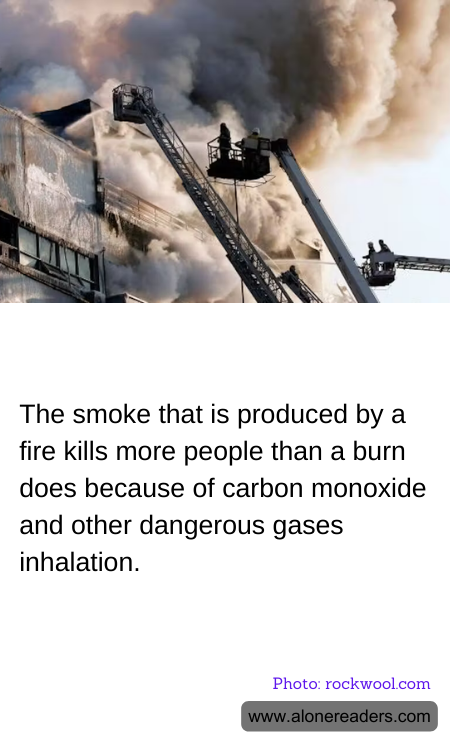
When discussing the dangers of fire, many people instinctively think of the flames themselves. However, a lesser-known but equally lethal threat is the smoke produced by a fire. This smoke, laden with toxic gases, is responsible for more fatalities than burns. The primary culprits in this deadly mix are carbon monoxide and other hazardous gases that are inhaled during a fire.
Carbon monoxide is a colorless, odorless gas that can be fatal when inhaled in large quantities. During a fire, the combustion of materials such as wood, plastic, and textiles releases this gas into the air. When inhaled, carbon monoxide binds to hemoglobin in the blood more effectively than oxygen does, reducing the blood's ability to carry oxygen to vital organs. This can lead to symptoms such as dizziness, confusion, and unconsciousness, often without the victim realizing they are being poisoned. In severe cases, it can result in death within minutes.
In addition to carbon monoxide, smoke from fires contains a cocktail of other dangerous gases, including hydrogen cyanide and phosgene. Hydrogen cyanide is produced when materials containing nitrogen, such as wool and silk, burn. It interferes with the body's ability to use oxygen, leading to rapid respiratory failure. Phosgene, on the other hand, is a byproduct of burning plastics and can cause severe lung damage. These gases, combined with the particulate matter in smoke, create a toxic environment that can quickly overcome individuals trapped in a fire.
The danger of smoke inhalation is compounded by the fact that it can incapacitate individuals before they have a chance to escape. The disorientation and confusion caused by inhaling toxic gases can make it difficult for people to find exits or call for help. This is why smoke alarms and fire safety measures are crucial in homes and buildings. Smoke alarms can provide an early warning, giving people precious extra minutes to evacuate before the smoke becomes overwhelming.
Fire safety education also plays a vital role in preventing smoke inhalation fatalities. Knowing how to react in a fire, such as staying low to the ground to avoid smoke and having a clear evacuation plan, can save lives. Additionally, installing and maintaining smoke detectors, as well as ensuring that fire exits are accessible and unobstructed, are essential steps in safeguarding against the dangers of smoke.
In conclusion, while the flames of a fire are undoubtedly dangerous, the smoke they produce poses an even greater threat to human life. Understanding the risks associated with smoke inhalation and taking proactive measures to prevent it can significantly reduce the number of fatalities in fire-related incidents. By prioritizing fire safety and awareness, we can protect ourselves and our loved ones from the silent killer that is smoke.