More About This Card
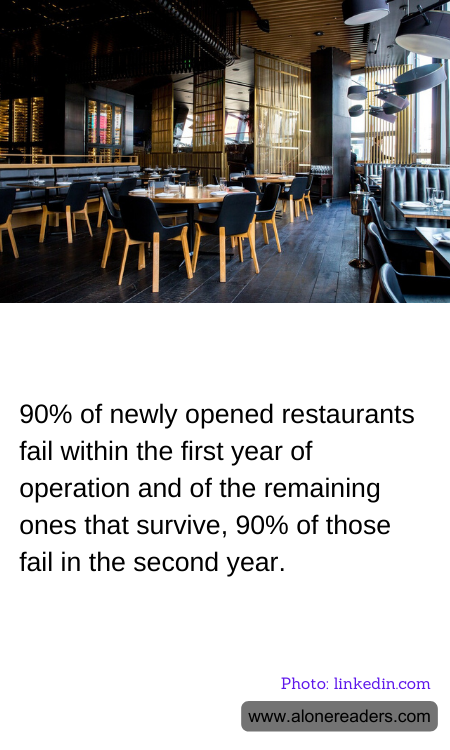
The restaurant industry is often romanticized as a vibrant and exciting field, filled with the promise of culinary creativity and the potential for financial success. However, beneath the allure lies a stark reality: a staggering 90% of newly opened restaurants fail within their first year of operation. For those that manage to survive this initial hurdle, the challenges are far from over, as another 90% of these establishments close their doors by the end of their second year. This daunting statistic raises important questions about the factors contributing to such high failure rates and what aspiring restaurateurs can do to beat the odds.
Several factors contribute to the high failure rate of new restaurants. One of the most significant is the intense competition within the industry. With new eateries popping up regularly, standing out in a crowded market can be a Herculean task. Many new restaurant owners underestimate the importance of a unique selling proposition, which is crucial for attracting and retaining customers. Additionally, the restaurant business is notorious for its thin profit margins, meaning that even minor miscalculations in budgeting or pricing can lead to financial disaster.
Another critical factor is the lack of experience among new restaurant owners. Many individuals enter the industry driven by passion rather than practical knowledge. While enthusiasm is essential, it must be coupled with a solid understanding of business operations, including inventory management, staff training, and customer service. Without this foundation, even the most innovative restaurant concepts can falter. Moreover, the restaurant industry is heavily influenced by trends, and failing to adapt to changing consumer preferences can quickly render a once-popular establishment obsolete.
Location also plays a pivotal role in a restaurant's success or failure. A prime location can attract foot traffic and visibility, but it often comes with a hefty price tag. Conversely, a less expensive location might save on rent but could suffer from low customer turnout. Striking the right balance between cost and accessibility is crucial, yet many new restaurateurs struggle to find this equilibrium.
Despite these challenges, there are strategies that can increase the likelihood of success. Conducting thorough market research before opening can provide valuable insights into consumer preferences and competitive landscapes. Developing a comprehensive business plan that includes realistic financial projections and contingency plans is also essential. Additionally, focusing on exceptional customer service and building a loyal customer base can provide a buffer against the inevitable ups and downs of the industry.
In conclusion, while the statistics surrounding restaurant failures are daunting, they are not insurmountable. By approaching the venture with a blend of passion, preparation, and adaptability, aspiring restaurateurs can improve their chances of success. The journey may be fraught with challenges, but for those who persevere, the rewards can be as satisfying as a perfectly cooked meal.