More About This Card
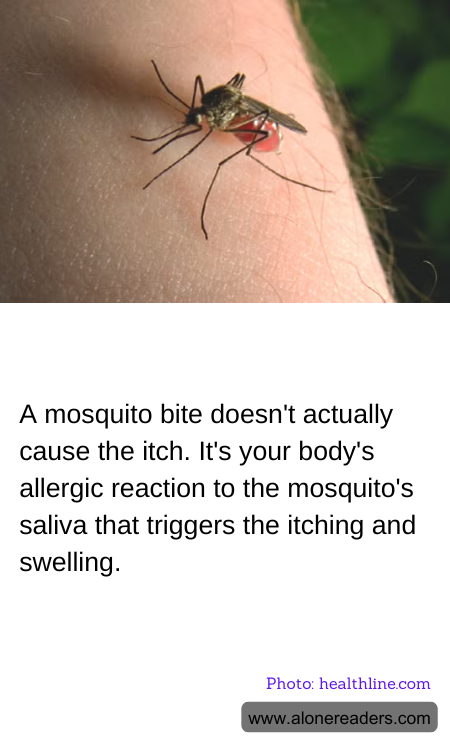
When a mosquito lands on your skin, it’s not the bite itself that causes the familiar itch and swelling. Instead, it’s your body’s reaction to the mosquito’s saliva that triggers these uncomfortable symptoms. This fascinating process is a result of your immune system doing its job, albeit in a way that can be quite irritating.
Mosquitoes are equipped with specialized mouthparts that allow them to pierce the skin and access blood vessels. As they feed, they inject saliva into the bloodstream. This saliva contains a cocktail of proteins that serve multiple purposes. Primarily, these proteins act as anticoagulants, preventing your blood from clotting and allowing the mosquito to feed more efficiently. However, these foreign proteins are also recognized by your immune system as invaders.
In response to the mosquito’s saliva, your immune system releases histamines, which are chemicals that help your body deal with allergens. Histamines increase blood flow and white blood cell activity in the affected area, which is part of the body’s defense mechanism. Unfortunately, this response also leads to inflammation, redness, and the notorious itchiness associated with mosquito bites. The raised bump, or wheal, that forms is a result of this localized immune response.
For most people, the reaction to a mosquito bite is mild and subsides within a few days. However, some individuals may experience more severe reactions, especially if they are particularly sensitive to mosquito saliva. In rare cases, people can develop large areas of swelling, soreness, or even blistering. This condition, known as Skeeter syndrome, is an exaggerated allergic reaction that may require medical attention.
Understanding the cause of the itch can help in managing the symptoms. Applying antihistamine creams or taking oral antihistamines can alleviate the itch by blocking the action of histamines. Cold compresses can also reduce swelling and provide relief. It’s important to avoid scratching the bite, as this can lead to further irritation or even infection.
Preventing mosquito bites is the best way to avoid the discomfort they cause. Using insect repellent, wearing long sleeves and pants, and ensuring that windows and doors are properly screened can help reduce the chances of being bitten. Additionally, removing standing water around your home can decrease mosquito breeding grounds.
In essence, while the mosquito’s bite is the initial trigger, it’s your body’s natural defense mechanisms that are responsible for the itch and swelling. By understanding this process, we can better manage the symptoms and take steps to prevent bites in the first place. Whether you’re enjoying a summer evening outdoors or traveling to a mosquito-prone area, being aware of how your body reacts can make all the difference in maintaining comfort and health.