More About This Card
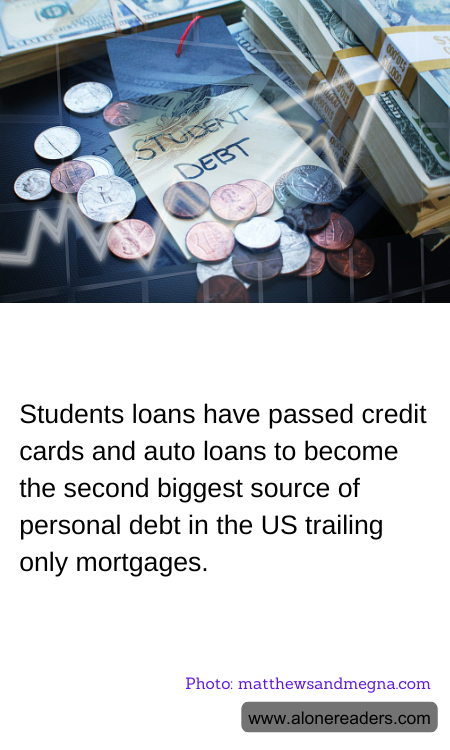
In recent years, student loans have surged past credit cards and auto loans to become the second largest source of personal debt in the United States, trailing only behind mortgages. This shift highlights a growing concern for students, families, and policymakers as the cost of higher education continues to rise. The implications of this trend are far-reaching, affecting not only the financial well-being of individuals but also the broader economy.
The escalation of student loan debt can be attributed to several factors. The primary driver is the increasing cost of college tuition, which has outpaced inflation and wage growth for decades. As more students pursue higher education to improve their career prospects, they often find themselves taking on substantial debt to cover tuition, fees, and living expenses. This has led to a situation where the average student loan borrower graduates with tens of thousands of dollars in debt, a burden that can take decades to repay.
The impact of this debt is profound. For many young adults, student loans delay major life milestones such as buying a home, starting a family, or saving for retirement. The financial strain can also affect mental health, leading to stress and anxiety. Moreover, the burden of student loans is not evenly distributed; it disproportionately affects low-income and minority students, who are more likely to rely on loans to finance their education.
The ripple effects of student loan debt extend beyond individual borrowers. As young adults allocate a significant portion of their income to loan repayments, their purchasing power diminishes, which can slow economic growth. Additionally, high levels of student debt can limit entrepreneurship, as potential business owners may be hesitant to take financial risks while saddled with debt.
Addressing the student loan crisis requires a multifaceted approach. Policymakers are exploring various solutions, such as increasing funding for grants and scholarships, implementing income-driven repayment plans, and considering loan forgiveness programs. Additionally, there is a growing call for colleges and universities to control costs and provide more transparent information about the return on investment of different degree programs.
While these efforts are crucial, they must be part of a broader conversation about the value of higher education and the role it plays in society. As student loans continue to climb, it is imperative to find sustainable solutions that ensure access to education without compromising financial futures. By addressing the root causes of rising student debt, we can work towards a system that supports both individual aspirations and the economic health of the nation.