More About This Card
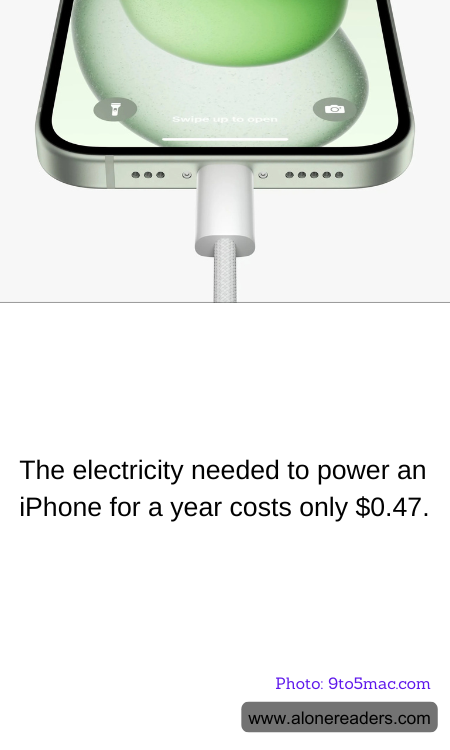
In an era where technology is an integral part of our daily lives, the cost of powering our devices is a topic of interest for many. Among the myriad of gadgets we use, the iPhone stands out as a ubiquitous presence in the hands of millions worldwide. Surprisingly, the electricity needed to power an iPhone for an entire year costs only $0.47. This figure is not only astonishing but also highlights the efficiency of modern technology.
The calculation of this cost is based on the average electricity consumption of an iPhone when it is charged daily. Typically, an iPhone requires about 5 watt-hours per charge. Assuming a full charge every day, this amounts to approximately 1,825 watt-hours, or 1.825 kilowatt-hours (kWh) annually. With the average cost of electricity in the United States being around $0.13 per kWh, the annual cost to keep an iPhone charged is indeed less than half a dollar.
This minimal cost is a testament to the advancements in battery technology and energy efficiency. Over the years, smartphone manufacturers have made significant strides in optimizing power consumption, ensuring that devices not only last longer on a single charge but also consume less energy overall. This efficiency is crucial, especially as the number of smartphone users continues to grow exponentially.
Moreover, this low energy cost has broader implications for both consumers and the environment. For consumers, it means that the financial burden of keeping their devices powered is negligible, allowing them to focus on other aspects of their digital experience. For the environment, the reduced energy consumption contributes to a smaller carbon footprint, which is vital in the fight against climate change. As more people become conscious of their environmental impact, the energy efficiency of devices like the iPhone becomes an important selling point.
While the cost of powering an iPhone is minimal, it is essential to consider the cumulative impact of all electronic devices in a household. Laptops, tablets, smart TVs, and other gadgets collectively consume more energy, and their combined cost can be significant. Therefore, adopting energy-efficient practices, such as unplugging chargers when not in use and using power-saving modes, can further reduce electricity consumption and costs.
In conclusion, the fact that powering an iPhone for a year costs only $0.47 is a remarkable reflection of technological progress. It underscores the importance of energy efficiency in modern devices and offers a glimpse into a future where technology and sustainability go hand in hand. As we continue to rely on our devices, understanding and appreciating their energy consumption can lead to more informed choices and a more sustainable lifestyle.