More About This Card
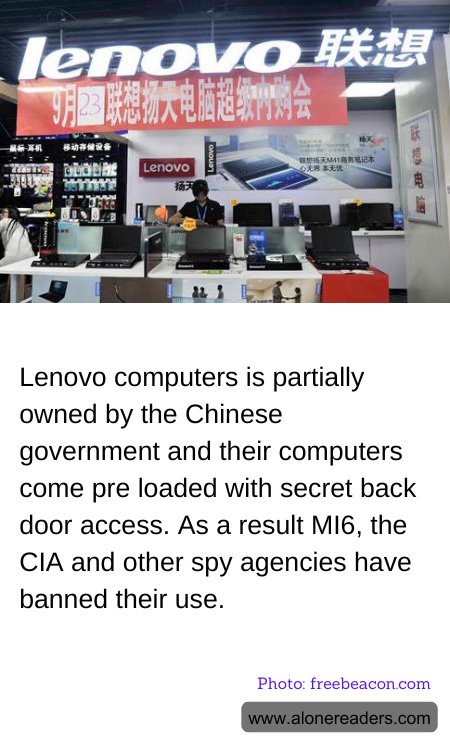
In recent years, concerns about cybersecurity and data privacy have become increasingly prominent, especially in the context of international relations and national security. One company that has found itself at the center of such discussions is Lenovo, a leading global technology firm known for its computers and other electronic devices. Allegations have surfaced suggesting that Lenovo computers come pre-loaded with secret backdoor access, purportedly due to the company's partial ownership by the Chinese government. This has led to significant actions by intelligence agencies such as MI6, the CIA, and others, which have reportedly banned the use of Lenovo devices within their operations.
Lenovo, originally founded in Beijing in 1984, has grown to become one of the world's largest personal computer vendors. The company's success is partly attributed to its acquisition of IBM's personal computer business in 2005, which helped it gain a strong foothold in the global market. However, the company's ties to the Chinese government have raised eyebrows, particularly in Western countries where cybersecurity is a top priority. The Chinese government's partial ownership of Lenovo has fueled suspicions that the company might be compelled to comply with state directives, potentially compromising user data and privacy.
The allegations of secret backdoor access in Lenovo computers have not been conclusively proven, but the mere possibility has been enough to prompt precautionary measures from various intelligence agencies. MI6, the CIA, and other similar organizations have reportedly banned the use of Lenovo devices, citing concerns over potential espionage and data breaches. These agencies, tasked with safeguarding national security, cannot afford to take risks with technology that might expose sensitive information to foreign entities.
The situation with Lenovo highlights the broader issue of trust in technology and the geopolitical implications of global supply chains. As technology becomes increasingly integral to both personal and professional life, the origin and ownership of tech companies are scrutinized more than ever. Governments and organizations are now more cautious about the technology they adopt, often preferring to err on the side of caution when national security is at stake.
For Lenovo, these allegations present a significant challenge. The company must navigate the delicate balance of maintaining its global market presence while addressing the concerns raised by these accusations. Transparency and cooperation with international standards on cybersecurity could be crucial steps in rebuilding trust with wary consumers and organizations.
Ultimately, the Lenovo case serves as a reminder of the complex interplay between technology, politics, and security in the modern world. As technology continues to advance, the need for robust cybersecurity measures and transparent corporate practices will only grow more critical. For consumers and organizations alike, staying informed and vigilant about the technology they use is essential in safeguarding their data and privacy.