More About This Card
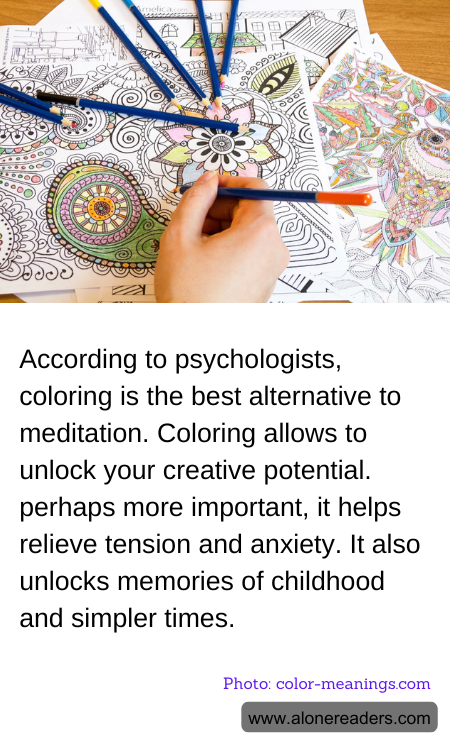
In recent years, the simple act of coloring has emerged as a powerful tool for relaxation and self-expression, offering benefits that rival those of traditional meditation. Psychologists have increasingly recognized coloring as an effective alternative to meditation, providing a creative outlet that can significantly reduce stress and anxiety. This resurgence in popularity is not just a nostalgic nod to childhood but a scientifically backed method to enhance mental well-being.
Coloring engages the brain in a way that is similar to meditation. When you focus on filling in intricate patterns or selecting the perfect shade, your mind enters a state of calmness and concentration. This mindful activity helps to quiet the constant chatter of the mind, allowing individuals to experience a sense of peace and relaxation. The repetitive motion of coloring can induce a meditative state, reducing the heart rate and promoting a sense of tranquility. This makes it an accessible form of meditation for those who may find traditional practices challenging.
Beyond its calming effects, coloring also unlocks creative potential. In a world where creativity is often stifled by the demands of daily life, coloring provides a safe space to explore and express oneself without judgment. It encourages experimentation with colors and patterns, fostering a sense of accomplishment and boosting self-esteem. This creative engagement can lead to increased problem-solving skills and innovative thinking, as it allows the mind to wander and explore new possibilities.
Moreover, coloring has the unique ability to evoke memories of childhood and simpler times. The act of coloring can transport individuals back to a time when life was less complicated, and joy could be found in the simplest of activities. This nostalgic journey can be incredibly therapeutic, offering a temporary escape from the pressures of adult life. It reminds us of the importance of play and creativity, elements that are often lost as we grow older.
The benefits of coloring extend beyond individual well-being. It can also serve as a social activity, bringing people together in a shared experience. Coloring groups and workshops have become popular, providing a supportive environment where individuals can connect and share their creations. This sense of community can further enhance the therapeutic effects of coloring, as it fosters a sense of belonging and mutual support.
In conclusion, coloring is more than just a pastime; it is a valuable tool for mental health and personal growth. By offering a creative outlet and a means to relieve tension and anxiety, coloring stands as a testament to the power of simple, mindful activities. Whether used as a solitary practice or a communal activity, coloring has the potential to enrich lives and promote a sense of well-being that is both profound and enduring.