More About This Card
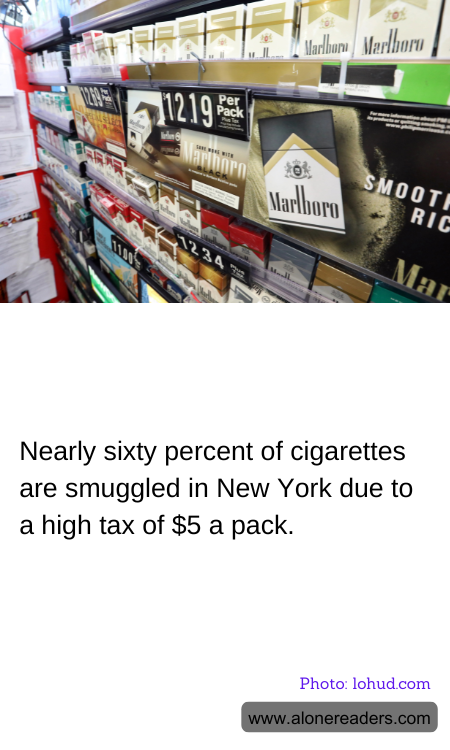
In recent years, New York has become a focal point in the ongoing battle against cigarette smuggling, with nearly sixty percent of cigarettes consumed in the state being smuggled. This alarming statistic is largely attributed to the high tax imposed on cigarettes, which currently stands at $5 per pack. While the intention behind this tax is to deter smoking and generate revenue for public health initiatives, it has inadvertently fueled a thriving black market.
The high cost of legally purchased cigarettes in New York, driven by the hefty tax, has created a significant price disparity between taxed and untaxed cigarettes. This disparity incentivizes smuggling operations, as individuals and organized crime groups seek to capitalize on the profit margins. Smuggled cigarettes often come from states with lower taxes or from international sources, bypassing the regulatory framework designed to control tobacco distribution and consumption.
The implications of cigarette smuggling are multifaceted. Economically, the state loses substantial tax revenue that could have been allocated to public health programs, education, and infrastructure. The black market also undermines legitimate businesses that comply with tax regulations, putting them at a competitive disadvantage. Furthermore, smuggled cigarettes often lack the health warnings and quality controls mandated by law, posing additional health risks to consumers.
Law enforcement agencies face significant challenges in curbing cigarette smuggling. The clandestine nature of smuggling operations makes them difficult to detect and dismantle. Moreover, the resources required to combat this issue are substantial, stretching the capabilities of local and state authorities. Despite these challenges, efforts are being made to address the problem through increased surveillance, inter-agency collaboration, and public awareness campaigns.
The high cigarette tax in New York raises important questions about the balance between public health objectives and unintended economic consequences. While the tax aims to reduce smoking rates and improve public health, its role in fostering a black market cannot be ignored. Policymakers are tasked with finding a solution that effectively curtails smoking while minimizing the incentives for illegal trade.
In conclusion, the high cigarette tax in New York, while well-intentioned, has led to a significant smuggling problem that affects the state's economy, public health, and law enforcement efforts. Addressing this issue requires a comprehensive approach that considers both the benefits and drawbacks of high taxation. By exploring alternative strategies and fostering collaboration among stakeholders, New York can work towards a solution that achieves its public health goals without fueling illegal activity.