More About This Card
During the American Civil War, soldiers faced numerous hardships beyond the battlefield, one of the most pervasive being the rampant spread of diseases such as dysentery and chronic diarrhea. These illnesses were not only debilitating but also deadly, claiming more lives than combat itself. The unsanitary conditions of military camps, coupled with inadequate medical knowledge and poor hygiene practices, created a breeding ground for these gastrointestinal afflictions.
Dysentery, an inflammation of the intestines causing severe diarrhea with blood, was particularly common among soldiers. The lack of clean water and proper sanitation facilities meant that contaminated food and water were everyday realities. Soldiers often drank from the same streams where they bathed and disposed of waste, leading to widespread outbreaks. Chronic diarrhea, while less severe than dysentery, was equally prevalent and could weaken soldiers to the point of incapacitation.
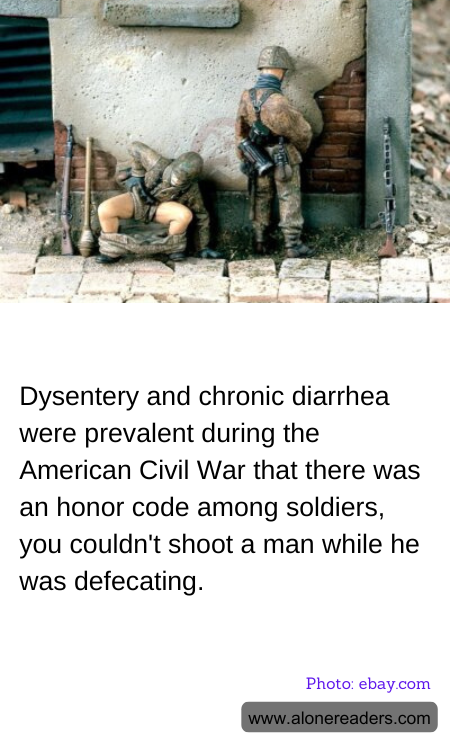
The impact of these diseases on the morale and effectiveness of troops was significant. Soldiers were often too weak to fight, and the constant need for relief made it difficult to maintain discipline and readiness. In this environment, an unusual code of conduct emerged among soldiers on both sides of the conflict: it was considered dishonorable to shoot a man while he was defecating. This unwritten rule was a testament to the shared human experience and suffering that transcended enemy lines. It highlighted a rare moment of empathy and respect amidst the brutality of war, acknowledging the vulnerability and dignity of every soldier.
Medical treatment for dysentery and chronic diarrhea was rudimentary at best. Doctors and medics, overwhelmed by the sheer number of cases, relied on limited remedies such as opium and quinine, which offered little more than temporary relief. The lack of understanding about the causes of these diseases meant that prevention was nearly impossible, and soldiers had to endure the symptoms as best they could.
The prevalence of dysentery and chronic diarrhea during the Civil War serves as a stark reminder of the harsh realities faced by soldiers beyond the battlefield. It underscores the importance of sanitation and hygiene in military operations and the need for compassion and humanity even in times of conflict. The honor code that emerged, though informal, was a poignant reflection of the shared struggles and mutual respect among soldiers, offering a glimpse of humanity in an otherwise inhumane setting.