More About This Card
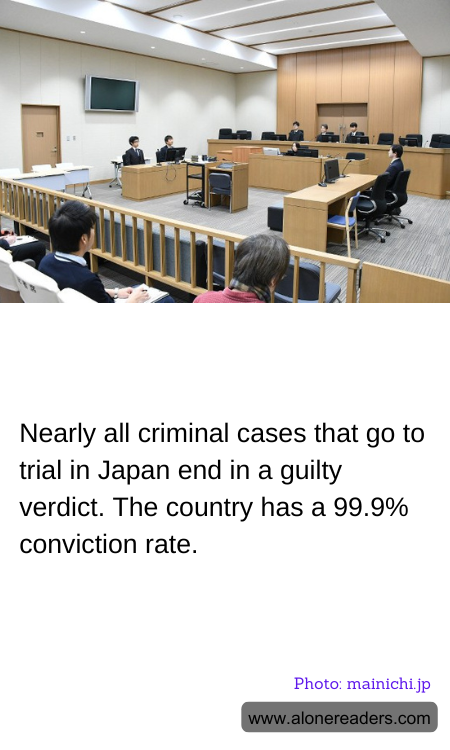
Japan's criminal justice system is often highlighted for its remarkably high conviction rate, with nearly all cases that proceed to trial ending in a guilty verdict. This phenomenon, with a conviction rate of approximately 99.9%, has sparked curiosity and debate both within Japan and internationally. Understanding the factors contributing to this statistic requires a closer look at the intricacies of Japan's legal framework and cultural context.
One of the primary reasons for Japan's high conviction rate is the rigorous process of case selection by prosecutors. In Japan, prosecutors exercise significant discretion in deciding which cases to bring to trial. They typically pursue cases only when they believe there is a strong likelihood of securing a conviction. This cautious approach is partly due to the cultural emphasis on maintaining a high level of public trust in the legal system. As a result, cases with insufficient evidence or those that might lead to acquittals are often dismissed or settled out of court.
Another contributing factor is the role of confessions in the Japanese legal process. Confessions are highly valued in Japan and are often seen as a crucial piece of evidence. The police and prosecutors invest considerable effort in obtaining confessions from suspects, which can sometimes lead to prolonged interrogations. Critics argue that this practice can result in coerced confessions, raising concerns about the fairness of the system. However, supporters maintain that confessions are a vital tool in ensuring justice and resolving cases efficiently.
The structure of Japan's judicial system also plays a role in the high conviction rate. Trials in Japan are typically conducted by professional judges rather than juries, which can lead to a more streamlined and predictable process. Judges in Japan are known for their thorough examination of evidence and adherence to procedural rules, which can contribute to the high rate of convictions. Additionally, the legal culture in Japan places a strong emphasis on the presumption of guilt once a case reaches trial, further influencing the outcome.
While the high conviction rate in Japan is often viewed as a sign of an effective legal system, it has also drawn criticism and calls for reform. Concerns about the potential for wrongful convictions and the pressure on defendants to confess have prompted discussions about the need for greater transparency and safeguards in the judicial process. Efforts to introduce more checks and balances, such as the lay judge system, have been implemented to address these issues, but the debate continues.
In conclusion, Japan's 99.9% conviction rate is a complex issue rooted in cultural, procedural, and legal factors. While it reflects a system designed to ensure efficiency and public trust, it also raises important questions about fairness and the potential for miscarriages of justice. As Japan continues to navigate these challenges, the world watches with interest to see how the country balances the demands of justice with the need for reform.