More About This Card
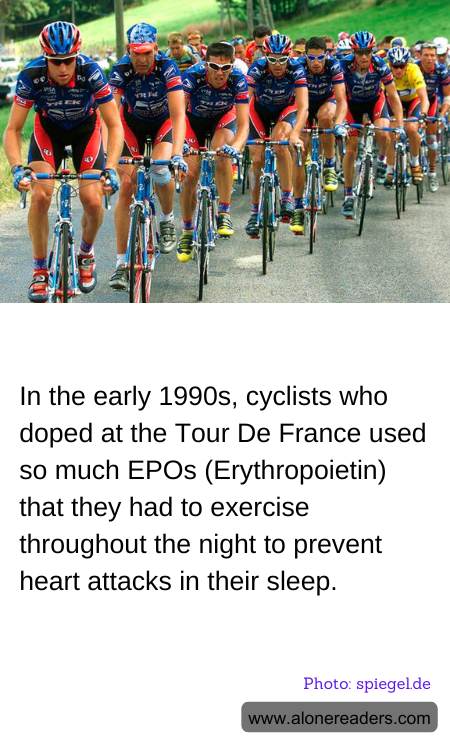
In the early 1990s, the world of professional cycling was marred by a dark chapter that would later become one of the most infamous doping scandals in sports history. The Tour de France, a prestigious and grueling cycling race, became a battleground not just of physical endurance but also of illicit performance enhancement. At the heart of this controversy was the widespread use of Erythropoietin, commonly known as EPO, a hormone that stimulates red blood cell production, thereby increasing oxygen delivery to muscles and enhancing athletic performance.
EPO was initially developed for medical use, particularly to treat anemia in patients with chronic kidney disease. However, its potential to significantly boost endurance made it an attractive option for athletes seeking an edge over their competitors. In the high-stakes world of professional cycling, where the difference between victory and defeat could be a matter of seconds, EPO became the drug of choice for many cyclists. Its use was rampant, and the pressure to perform led to a culture where doping was not just common but, in some circles, expected.
The consequences of EPO abuse were severe and often dangerous. Cyclists who used the drug in excessive amounts faced serious health risks, including the possibility of heart attacks. The increased red blood cell count thickened the blood, making it more difficult for the heart to pump, especially during periods of rest. To mitigate this risk, some cyclists resorted to exercising throughout the night to keep their blood flowing and prevent potentially fatal complications while they slept. This desperate measure underscored the perilous lengths to which athletes were willing to go in pursuit of success.
The revelation of widespread EPO use in cycling led to a significant backlash and prompted a reevaluation of doping controls within the sport. The scandal tarnished the reputation of the Tour de France and cast a long shadow over the achievements of many cyclists from that era. It also sparked a broader conversation about the ethics of performance-enhancing drugs in sports and the pressures faced by athletes to perform at the highest levels.
In response to the crisis, cycling authorities implemented stricter anti-doping regulations and testing procedures. The introduction of the biological passport, which monitors an athlete's blood values over time, has been a crucial tool in detecting abnormalities that may indicate doping. These measures have helped to restore some integrity to the sport, although the legacy of the EPO era remains a cautionary tale about the dangers of prioritizing victory over health and fair competition.
The early 1990s serve as a reminder of the complex interplay between ambition, ethics, and the human cost of competitive sports. While the use of EPO may have offered a temporary advantage, the long-term consequences for both the athletes involved and the sport of cycling were profound. As the cycling community continues to strive for a cleaner and more transparent future, the lessons learned from this period remain relevant and instructive for athletes and fans alike.