More About This Card
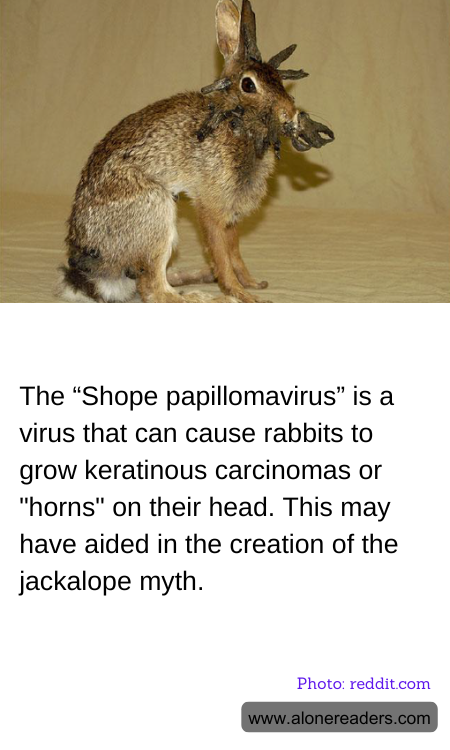
In the realm of folklore and mythical creatures, the jackalope stands out as a particularly intriguing figure. Often depicted as a rabbit with antelope-like horns, this creature has captured the imaginations of many, especially in the American West. While the jackalope is widely regarded as a mythical being, there is a fascinating scientific phenomenon that may have contributed to its legend: the Shope papillomavirus.
The Shope papillomavirus is a virus that affects rabbits, causing them to develop keratinous carcinomas, or horn-like growths, on their heads. These growths are the result of the virus inducing the rapid proliferation of skin cells, leading to the formation of hard, horn-like structures. Discovered in the 1930s by Dr. Richard E. Shope, this virus provided the first evidence that viruses could cause cancer in mammals, marking a significant milestone in medical research.
The appearance of these horn-like growths on rabbits could easily have sparked the imagination of early settlers and explorers, giving rise to tales of horned rabbits. In a time when scientific understanding was limited, such sightings could have been interpreted as evidence of a new species, thus laying the groundwork for the jackalope myth. The blending of reality and imagination is a common theme in folklore, and the Shope papillomavirus provides a plausible biological basis for the jackalope's origins.
While the jackalope remains a creature of legend, the Shope papillomavirus continues to be a subject of scientific interest. It serves as a reminder of the complex interplay between nature and myth, illustrating how real-world phenomena can inspire fantastical stories. The virus also underscores the importance of scientific inquiry in unraveling the mysteries of the natural world, offering insights into the mechanisms of disease and the potential for medical advancements.
Today, the jackalope is celebrated in various cultural expressions, from roadside attractions to novelty postcards. It stands as a testament to the enduring power of myth and the human penchant for storytelling. Meanwhile, the Shope papillomavirus remains a fascinating example of how nature can blur the lines between reality and imagination, leaving a lasting impact on both science and folklore.