More About This Card
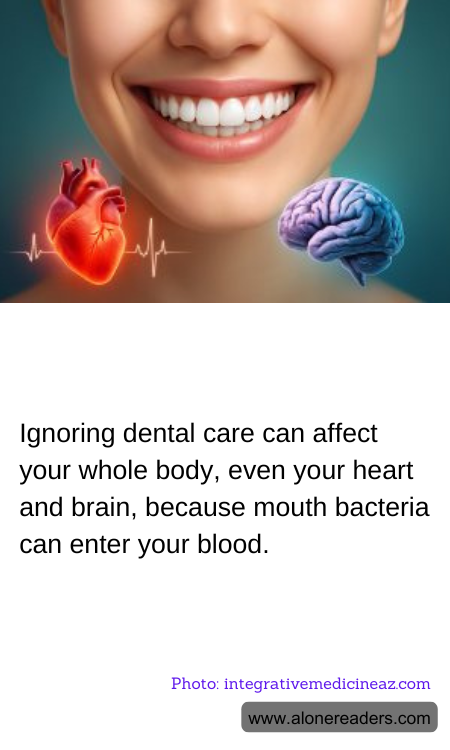
Many people underestimate the importance of dental care, often viewing it as a separate entity from overall health. However, the mouth is a gateway to the rest of the body, and neglecting oral hygiene can have far-reaching consequences. The bacteria that thrive in an unclean mouth can enter the bloodstream, potentially affecting vital organs such as the heart and brain.
Oral health is intrinsically linked to overall health. The mouth is home to millions of bacteria, most of which are harmless. However, without proper oral hygiene, harmful bacteria can multiply, leading to infections such as gum disease. This condition, also known as periodontal disease, is characterized by inflamed gums and can progress to affect the bone that supports your teeth. The inflammation and infection associated with gum disease can create an entry point for bacteria to enter the bloodstream.
Once in the bloodstream, these bacteria can travel to different parts of the body, causing or exacerbating health issues. One of the most concerning links is between oral health and heart disease. Studies have shown that individuals with gum disease are at a higher risk of developing heart disease. The bacteria from the mouth can cause inflammation in the blood vessels, contributing to the formation of arterial plaque, which can lead to heart attacks or strokes.
The brain is another organ that can be affected by poor oral health. Research suggests a connection between gum disease and cognitive decline, including conditions such as Alzheimer's disease. The theory is that oral bacteria can trigger inflammation in the brain, potentially leading to neurological damage over time. While more research is needed to fully understand this connection, the evidence suggests that maintaining good oral hygiene could be a factor in preserving cognitive health.
Ignoring dental care can also have more immediate effects on your overall well-being. Oral infections can lead to pain and discomfort, affecting your ability to eat, speak, and even sleep. This can have a cascading effect on your quality of life, impacting everything from nutrition to social interactions.
To protect your oral and overall health, it is essential to maintain a routine of good dental hygiene. This includes brushing your teeth at least twice a day with fluoride toothpaste, flossing daily, and visiting the dentist regularly for check-ups and cleanings. A balanced diet and avoiding tobacco products can also contribute to better oral health.
In conclusion, the mouth is not an isolated part of the body, and neglecting dental care can have serious implications for your overall health. By taking proactive steps to maintain oral hygiene, you can help protect your heart, brain, and general well-being. Remember, a healthy mouth is a crucial component of a healthy body.