More About This Card
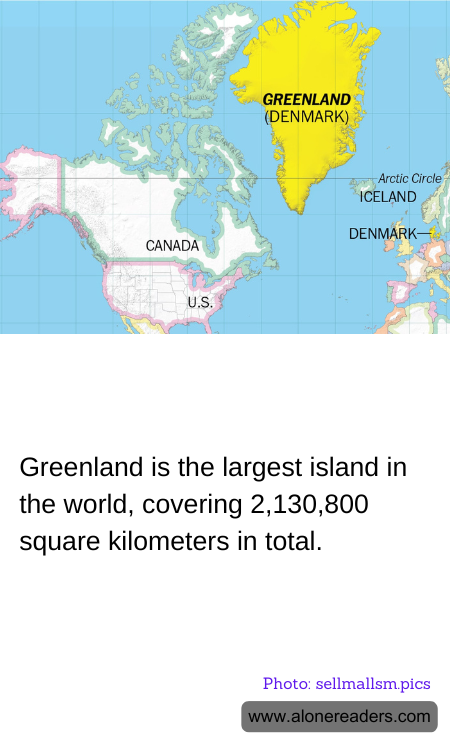
Greenland, a vast and intriguing landmass, holds the title of the largest island in the world, spanning an impressive 2,130,800 square kilometers. This immense island, located between the Arctic and Atlantic Oceans, is a part of the Kingdom of Denmark, yet it possesses a unique identity shaped by its geography, climate, and culture.
The sheer size of Greenland is awe-inspiring, and its landscape is dominated by ice. Approximately 80% of the island is covered by the Greenland Ice Sheet, a massive body of ice that plays a crucial role in the Earth's climate system. This ice sheet is the second largest in the world, after Antarctica, and its melting has significant implications for global sea levels. Despite its icy exterior, Greenland is not entirely frozen. The coastal regions, particularly in the south, experience milder temperatures during the summer months, allowing for a diverse range of flora and fauna to thrive.
Greenland's population is small, with around 56,000 residents, most of whom are Inuit, a people with a rich cultural heritage deeply connected to the Arctic environment. The island's inhabitants have adapted to the harsh conditions, relying on traditional practices such as fishing and hunting for sustenance. In recent years, there has been a growing interest in Greenland's natural resources, including minerals and potential oil reserves, which could significantly impact the island's economy and environment.
Tourism is another burgeoning sector in Greenland, attracting visitors with its stunning natural beauty and unique experiences. From witnessing the mesmerizing Northern Lights to exploring the vast tundra and fjords, Greenland offers a sense of adventure and discovery. The island's remote location and pristine landscapes provide an escape from the hustle and bustle of modern life, drawing those seeking solitude and a connection with nature.
Greenland's strategic position in the Arctic has also made it a focal point for geopolitical interests. As climate change opens up new shipping routes and access to untapped resources, the island's importance on the global stage is likely to increase. This has sparked discussions about Greenland's future, including debates on autonomy and the potential for increased self-governance.
In conclusion, Greenland is a land of contrasts and opportunities. Its vast icy expanse, rich cultural heritage, and strategic importance make it a fascinating subject of study and exploration. As the world continues to grapple with the challenges of climate change and resource management, Greenland stands at the forefront, offering insights and lessons for the future. Whether through its natural wonders or its evolving role in global affairs, Greenland remains a captivating and significant part of our planet.