More About This Card
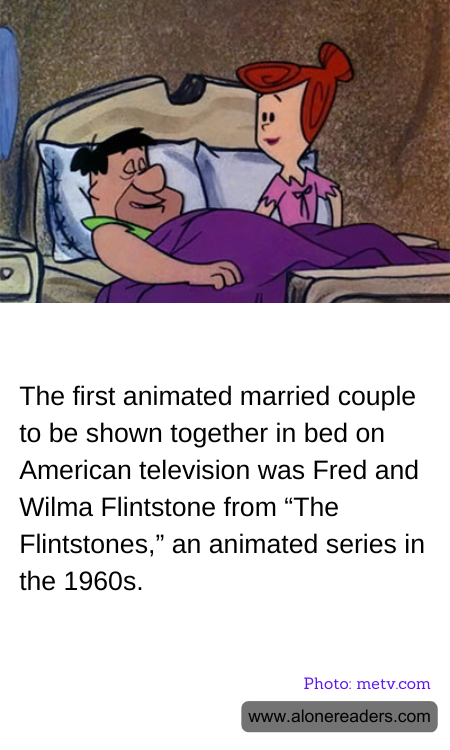
In the early 1960s, American television witnessed a groundbreaking moment in animation history with the debut of "The Flintstones," a show that would become a cultural icon. Among its many pioneering aspects, "The Flintstones" introduced audiences to Fred and Wilma Flintstone, the first animated married couple to be shown together in bed on American television. This seemingly simple depiction was a significant step forward in the portrayal of family life on TV, reflecting and influencing societal norms of the time.
"The Flintstones," created by William Hanna and Joseph Barbera, premiered on September 30, 1960, and was set in the prehistoric town of Bedrock. The show cleverly mirrored contemporary suburban life, complete with modern conveniences humorously reimagined in a Stone Age setting. Fred and Wilma Flintstone, along with their neighbors Barney and Betty Rubble, became beloved characters, offering a comedic yet relatable portrayal of family dynamics.
Prior to "The Flintstones," television had been cautious in its depiction of married life, often adhering to conservative standards that kept couples in separate beds. This was a reflection of the era's cultural norms and broadcasting regulations. However, "The Flintstones" broke this mold by depicting Fred and Wilma sharing a bed, a decision that was both bold and progressive for its time. This portrayal was not just a comedic device but also a subtle acknowledgment of the realities of married life, contributing to a gradual shift in how relationships were depicted on screen.
The decision to show Fred and Wilma in bed together was not without its challenges. The creators faced potential backlash from networks and audiences who were accustomed to more conservative portrayals. However, the show's success and popularity demonstrated that audiences were ready for more realistic and relatable depictions of marriage. This move paved the way for future television shows to explore more authentic representations of family life, ultimately influencing the evolution of television storytelling.
"The Flintstones" remains a beloved classic, not only for its humor and creativity but also for its role in pushing the boundaries of animated television. Fred and Wilma's depiction as a married couple sharing a bed was a small yet significant step towards more open and honest portrayals of relationships on TV. As a result, "The Flintstones" holds a special place in television history, remembered for its innovation and its contribution to the changing landscape of American entertainment.
In conclusion, Fred and Wilma Flintstone's portrayal as the first animated married couple to share a bed on American television was a milestone that reflected the evolving attitudes of the 1960s. It marked a shift towards more realistic depictions of family life, influencing generations of television creators and audiences alike. As we look back on this iconic show, we can appreciate its role in shaping the way we view relationships on screen, making "The Flintstones" a timeless piece of television history.