More About This Card
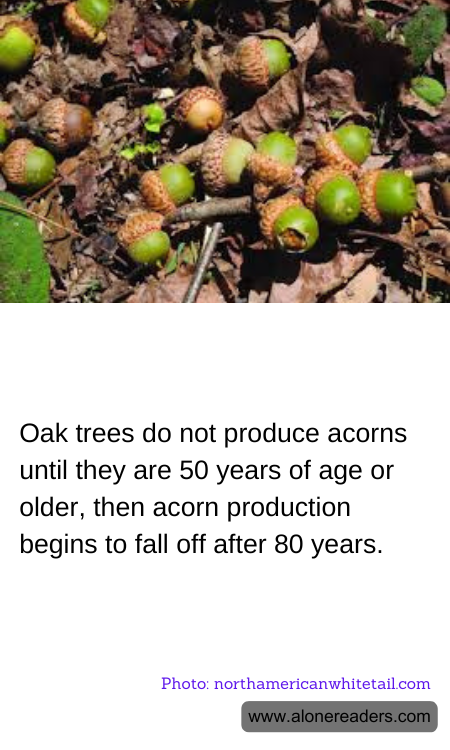
Oak trees are majestic symbols of strength and endurance, often standing as silent witnesses to the passage of time. One of the most fascinating aspects of these trees is their acorn production, a process that reflects their life cycle and ecological role. Interestingly, oak trees do not begin producing acorns until they reach the age of 50 or older. This delayed reproductive maturity is a unique characteristic that sets them apart from many other tree species.
The reason behind this late onset of acorn production lies in the oak tree's growth and development strategy. During the first few decades of life, an oak tree focuses on establishing a strong root system and a sturdy trunk. This foundational growth is crucial for the tree's long-term survival, allowing it to withstand harsh weather conditions and compete for sunlight and nutrients. By investing energy in building a robust structure early on, the oak tree ensures that it can support the heavy burden of acorns later in life.
Once an oak tree reaches the age of 50, it begins to produce acorns, which are vital for the continuation of its species. Acorns serve as a food source for various wildlife, including squirrels, deer, and birds, and play a critical role in forest ecosystems. The production of acorns is not consistent every year; instead, it follows a cyclical pattern known as "masting." During mast years, oak trees produce a large number of acorns, while in other years, production may be minimal. This strategy helps to overwhelm predators with an abundance of food, ensuring that some acorns survive to germinate and grow into new trees.
However, the prolific production of acorns does not last indefinitely. As oak trees age beyond 80 years, their ability to produce acorns begins to decline. This reduction in acorn production is a natural part of the tree's aging process. Older trees may divert more energy towards maintaining their existing structure and less towards reproduction. Additionally, environmental factors such as soil quality, climate conditions, and competition with other trees can influence acorn production in aging oaks.
Despite the decline in acorn production in their later years, oak trees continue to play a vital role in their ecosystems. Their towering presence provides shelter and habitat for countless species, and their leaves contribute to the nutrient cycle as they decompose. The longevity and resilience of oak trees make them invaluable components of forests, offering stability and continuity across generations.
In conclusion, the life cycle of an oak tree, from its slow start in acorn production to its gradual decline, is a testament to the intricate balance of nature. Understanding this process not only highlights the remarkable adaptability of oak trees but also underscores the importance of preserving these ancient giants for future generations. As we appreciate the beauty and significance of oak trees, we are reminded of the delicate interplay between growth, reproduction, and survival in the natural world.