More About This Card
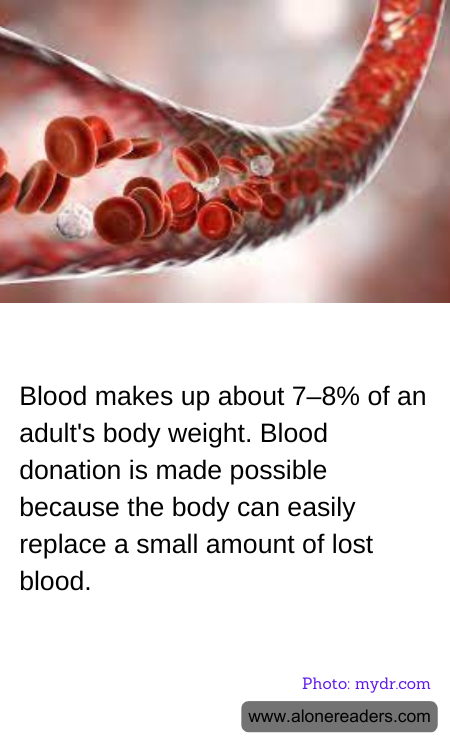
Blood is a vital component of the human body, accounting for approximately 7–8% of an adult's body weight. This remarkable fluid performs a myriad of essential functions, including transporting oxygen and nutrients to cells, removing waste products, and playing a crucial role in the immune system. Given its importance, the body has developed an efficient mechanism to maintain blood volume and composition, which is why blood donation is a safe and life-saving practice.
Blood donation is a simple yet profound act of kindness that can make a significant difference in the lives of those in need. The human body is incredibly resilient and capable of replenishing the small amount of blood lost during donation. Typically, an adult has about 10 to 12 pints of blood, and during a donation, only about one pint is collected. This amount is easily replaced by the body within a few days, as the bone marrow produces new blood cells to restore the balance.
The process of blood donation is straightforward and generally takes less than an hour. It begins with a brief health screening to ensure the donor's safety and the quality of the blood. Once cleared, the donor relaxes in a comfortable chair while a skilled healthcare professional collects the blood. Afterward, donors are encouraged to rest and enjoy a light snack to help their bodies adjust.
Blood donation is not only safe but also beneficial for donors. It can provide a sense of fulfillment and purpose, knowing that one's contribution can save lives. Regular donation has been associated with potential health benefits, such as improved cardiovascular health and reduced risk of certain diseases. Moreover, it fosters a sense of community and solidarity, as donors join a network of individuals committed to helping others.
The demand for blood is constant, as it is essential for surgeries, cancer treatments, chronic illnesses, and traumatic injuries. Blood cannot be manufactured; it can only come from generous donors. Therefore, regular donations are crucial to maintaining an adequate supply for hospitals and clinics.
In conclusion, blood donation is a simple, safe, and impactful way to contribute to the well-being of others. The human body's ability to quickly replenish lost blood makes it possible for individuals to donate regularly without adverse effects. By donating blood, individuals not only support those in critical need but also promote their own health and well-being. It is a powerful reminder of the interconnectedness of humanity and the profound impact of a single act of generosity.