More About This Card
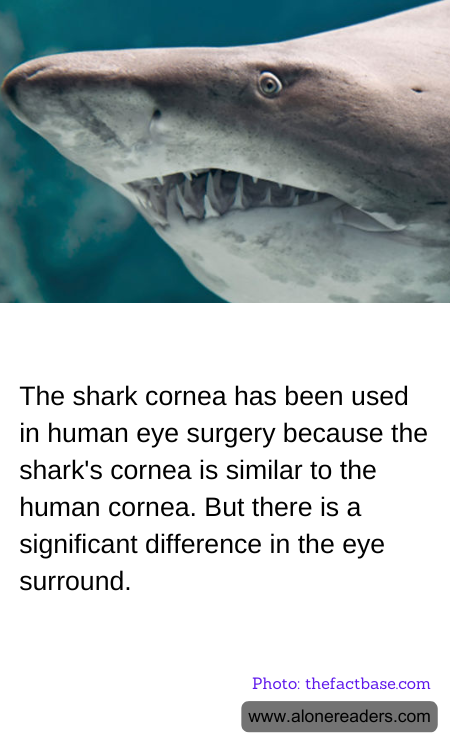
The fascinating world of marine biology often intersects with human medicine in unexpected ways. One such intersection is the use of shark corneas in human eye surgery. The shark cornea has been found to be remarkably similar to the human cornea, making it a valuable resource in ophthalmic procedures. This similarity is primarily due to the comparable thickness and transparency of the corneas, which are crucial for maintaining clear vision. The shark cornea's resilience and ability to remain clear under water pressure make it an ideal candidate for transplantation and research in human eye surgery.
Sharks, as ancient creatures of the sea, have evolved over millions of years, developing unique adaptations that have piqued the interest of scientists and medical professionals alike. The cornea of a shark is composed of collagen fibers arranged in a precise lattice structure, similar to that of humans. This structural similarity allows for the potential use of shark corneas in corneal transplants, particularly in cases where human donor tissue is scarce. The use of shark corneas can help restore vision to individuals suffering from corneal damage or disease, offering a new lease on life.
However, despite the similarities in corneal structure, there is a significant difference in the surrounding anatomy of the shark's eye compared to that of humans. Sharks have a unique eye structure adapted to their aquatic environment. Their eyes are equipped with a reflective layer called the tapetum lucidum, which enhances their ability to see in low-light conditions underwater. This adaptation is not present in human eyes, which are designed for optimal vision in air rather than water. Additionally, the overall shape and positioning of the shark's eye differ, as they are more laterally placed compared to the forward-facing eyes of humans.
These differences highlight the importance of understanding the broader anatomical context when considering the use of animal tissues in human medicine. While the corneal similarities offer promising avenues for medical advancements, the surrounding anatomical differences must be carefully considered to ensure compatibility and effectiveness in surgical applications. Researchers continue to explore the potential of using shark corneas, balancing the benefits of their structural similarities with the challenges posed by their unique adaptations.
In conclusion, the use of shark corneas in human eye surgery exemplifies the innovative ways in which nature can inform and enhance medical practices. By leveraging the similarities between shark and human corneas, medical professionals can expand the possibilities for treating vision impairments. However, it is crucial to remain mindful of the anatomical differences that exist, ensuring that such medical interventions are both safe and effective. As research progresses, the hope is that these marine-inspired solutions will continue to illuminate new paths in the field of ophthalmology, benefiting patients worldwide.