More About This Card
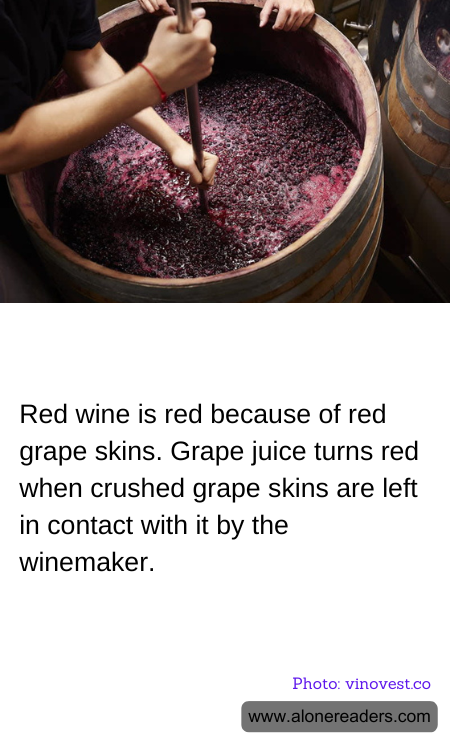
Red wine, with its rich hues and complex flavors, owes its distinctive color to a simple yet fascinating process involving the skins of red grapes. While the juice inside grapes is typically clear, the vibrant red color of the wine is derived from the pigments found in the grape skins. This transformation occurs during the winemaking process, where the interaction between the juice and the skins plays a crucial role.
When grapes are harvested and crushed, the juice that is released is initially clear, regardless of whether the grapes are red or white. The magic happens when the winemaker decides to leave the crushed grape skins in contact with the juice. This process, known as maceration, allows the pigments, tannins, and flavors from the skins to infuse into the juice. The length of time the skins remain in contact with the juice can vary, depending on the desired color and flavor profile of the wine. For red wines, this period can range from a few days to several weeks.
The pigments responsible for the red color in wine are called anthocyanins. These naturally occurring compounds are found in the skins of red grapes and are responsible for the range of colors seen in red wines, from light ruby to deep purple. The concentration of anthocyanins can vary depending on the grape variety, the climate in which the grapes are grown, and the specific winemaking techniques employed. As the juice absorbs these pigments, it gradually takes on the characteristic red hue that is so beloved by wine enthusiasts around the world.
In addition to color, the contact between the grape skins and the juice also imparts tannins to the wine. Tannins are compounds that contribute to the texture and structure of the wine, giving it a certain dryness and astringency that can enhance its complexity and aging potential. This is why red wines often have a more robust and fuller body compared to their white counterparts, which are typically made without prolonged skin contact.
The art of winemaking is a delicate balance of science and tradition, and the decision of how long to leave the skins in contact with the juice is a testament to the skill and intuition of the winemaker. By carefully managing this process, winemakers can create a diverse array of red wines, each with its own unique character and appeal.
In conclusion, the red color of wine is a result of the intimate relationship between grape skins and juice during the winemaking process. This natural infusion not only defines the wine's appearance but also contributes to its flavor and texture, making red wine a cherished beverage enjoyed by people of all ages and backgrounds. Whether you're a seasoned connoisseur or a casual sipper, understanding the role of grape skins in winemaking can deepen your appreciation for the artistry and craftsmanship that goes into every bottle of red wine.