More About This Card
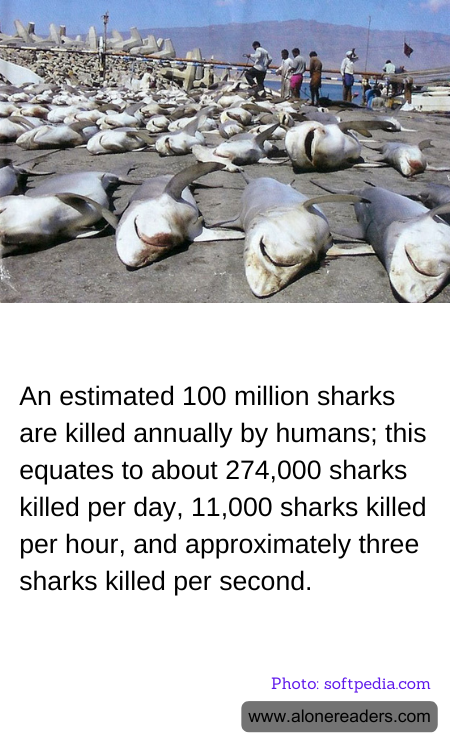
The ocean, a vast and mysterious expanse, is home to some of the most fascinating creatures on Earth, including sharks. These apex predators play a crucial role in maintaining the health of marine ecosystems. However, the alarming statistic that an estimated 100 million sharks are killed annually by humans casts a dark shadow over their future. This staggering figure translates to about 274,000 sharks killed each day, 11,000 per hour, and approximately three every second. Such numbers are not only shocking but also unsustainable, threatening the delicate balance of oceanic life.
Sharks have roamed the oceans for over 400 million years, surviving mass extinctions and evolving into the diverse species we see today. Yet, human activities pose a threat they may not survive. The primary drivers of shark mortality are overfishing and the demand for shark fins, meat, and other products. The practice of finning, where sharks are caught, their fins removed, and the rest of the body discarded at sea, is particularly devastating. This wasteful practice is driven by the high demand for shark fin soup, a delicacy in some cultures, which has led to a dramatic decline in shark populations worldwide.
The ecological impact of such a decline is profound. Sharks are apex predators, meaning they are at the top of the food chain. They help maintain the balance of marine ecosystems by regulating the populations of species below them. Without sharks, the populations of their prey could explode, leading to overgrazing of seagrass beds and coral reefs, which are vital habitats for many marine species. This imbalance can cascade through the ecosystem, affecting biodiversity and the health of the oceans.
Efforts to curb the decline in shark populations are underway, with conservationists and governments working to implement protective measures. Some countries have established shark sanctuaries, where fishing for sharks is prohibited, and international agreements like the Convention on International Trade in Endangered Species (CITES) aim to regulate the trade of shark products. Public awareness campaigns are also crucial, educating people about the importance of sharks and encouraging sustainable seafood choices.
Despite these efforts, the road to recovery is long and fraught with challenges. The global nature of the problem requires international cooperation and stringent enforcement of regulations. Moreover, changing cultural perceptions and reducing the demand for shark products are essential steps in ensuring the survival of these magnificent creatures.
In conclusion, the plight of sharks is a pressing environmental issue that demands immediate attention. The staggering number of sharks killed annually by humans is not just a statistic; it is a call to action. By understanding the vital role sharks play in our oceans and taking steps to protect them, we can help preserve the health of marine ecosystems for future generations. The time to act is now, before these ancient mariners are lost to the depths of history.